This comprehensive guide provides everything you need to know about how to publish a game in 2026. Whether you're an indie developer, a solo creator, or part of a small studio, understanding the publishing landscape is crucial for success. From initial concept validation and platform selection to marketing strategies and post-launch support, we break down each essential step. Learn about securing funding, navigating legal requirements, building a strong community, and maximizing your game's reach in a competitive market. We address common challenges faced by developers, offering practical tips to overcome them and ensure your game gets the attention it deserves. Discover the latest trends in digital distribution, explore the power of early access, and master the art of player engagement. This resource is designed to empower you with the knowledge to bring your creative vision to life and share your game with the world effectively and efficiently. Dive deep into the process and turn your game development dreams into a commercial reality, ensuring a smooth journey from code to console or mobile screen.
Related games- Guide to MSI PC Gaming: Boost Performance & Fun
- Guide What Happened To My Roblox Fixes 2026
- How to Make Your Own Roblox World Guide
- Guide to GTA Online Rebreather Underwater Mastery
- RTX 4060 Gaming PC Your 2026 Essential Guide
What are the essential legal steps for publishing a game?
Before you even think about hitting that publish button, make sure your legal ducks are in a row. This includes securing all intellectual property rights for your game's assets, music, and code. Registering copyrights and trademarks is crucial for protecting your creation. You'll also need to understand platform-specific terms of service and any regional content regulations. If you're working with partners or contractors, have clear contracts in place to avoid future disputes. Don't forget privacy policies for user data, especially if your game collects information. Consulting with a legal professional specializing in game development can save you massive headaches down the line.
How important is community building for a successful game launch?
Community building isn't just important; it's absolutely vital for a successful game launch in 2026. Gamers, especially those balancing life with play, are looking for connection and shared experiences. Building a strong community on platforms like Discord, Twitter, and even TikTok before launch creates early hype, gathers valuable feedback through playtesting, and converts curious onlookers into loyal fans. These early adopters become your biggest advocates, spreading the word authentically and providing crucial support post-launch. Engage with them genuinely, listen to their suggestions, and make them feel like part of the development journey. A vibrant community can sustain your game long after release.
What are the best strategies for marketing an indie game on a budget?
Marketing an indie game on a shoestring budget requires creativity and strategic focus. Start by identifying your niche audience and where they spend their time online. Leverage free social media platforms like TikTok, YouTube Shorts, and X (formerly Twitter) with engaging devlogs, short gameplay clips, and behind-the-scenes content. Partnering with smaller content creators and streamers can yield high ROI. Participate in online game showcases and festivals. Build a compelling press kit and reach out to gaming journalists. Use email marketing to keep interested players updated. Word-of-mouth fueled by a strong community is your most powerful free marketing tool. Focus on authentic engagement over expensive ad buys.
Should I consider Early Access for my game, and what are the pros and cons?
Early Access can be a powerful tool for indie developers, but it's not for every game. The pros include getting early funding to continue development, gathering crucial player feedback for iterative improvements, and building a passionate community around your game before its official 1.0 release. It allows you to test market demand and fine-tune mechanics with real players. However, cons involve the risk of negative reviews if the game isn't stable or polished enough, setting player expectations too high, and the potential for "feature creep" if you try to incorporate too much feedback. It demands transparent communication and a clear roadmap. Only go Early Access if you have a solid core game and a plan for continuous updates.
What platforms offer the best opportunities for indie game publishing today?
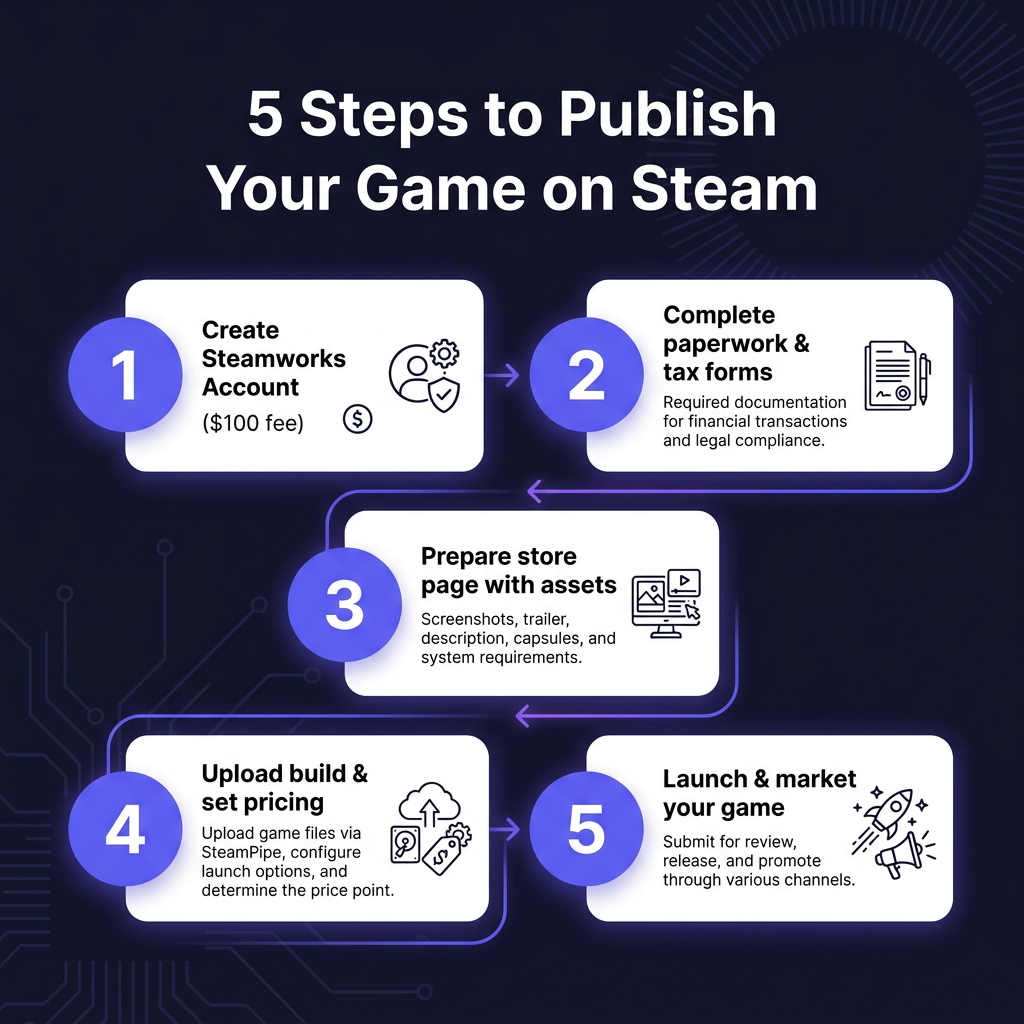
In 2026, the best platforms depend heavily on your game's genre, target audience, and monetization strategy. PC platforms like Steam remain dominant for many genres, offering robust tools and a massive player base. The Epic Games Store provides an alternative with a more favorable revenue split. For mobile, Google Play and Apple App Store are essential, especially given mobile gaming's continued dominance (an estimated 87% of US gamers regularly engage with games, many on mobile). Console platforms (PlayStation, Xbox, Nintendo Switch) offer prestige and dedicated player bases but have higher barriers to entry. Consider smaller, curated platforms like itch.io for experimental or niche titles. Cross-platform play is also a major trend to leverage.
How can I effectively monetize my game without alienating players?
Monetizing your game effectively without alienating players means focusing on value and transparency. Premium upfront purchases (the classic "buy once, play forever" model) are still popular, especially for single-player experiences. For free-to-play games, battle passes, cosmetic microtransactions, and optional DLC expansions are generally well-received if they don't feel "pay-to-win." In-game advertising needs to be non-intrusive and rewarded. Subscription models can work for persistent online games offering continuous content. The key is to respect your players' time and money, offering optional purchases that enhance the experience rather than feeling manipulative or essential for progress. Transparency about what players are getting is crucial for maintaining trust.
What's the role of analytics and player feedback after my game launches?
Post-launch, analytics and player feedback are your eyes and ears. Analytics give you hard data on player behavior: where they spend time, where they drop off, what features are used most, and how monetization performs. This data is invaluable for identifying bugs, balancing gameplay, and planning future updates. Player feedback, gathered through community forums, surveys, and direct interactions, provides the "why" behind the numbers. It gives you qualitative insights into player enjoyment, frustrations, and desires. Combining both allows you to make informed decisions for patches, expansions, and even future game designs, ensuring your game evolves in a way that keeps players engaged and satisfied. Ignoring either is a recipe for a rapidly declining player count.
Hey fellow gamers and aspiring creators! We all know that feeling: you've poured your heart and soul into creating something incredible, a game that you believe will bring joy, challenge, or simply a great escape to players. But let's be real, the journey from a finished game to a successful launch is often as complex and demanding as the development itself. You're balancing work, family, and life, and finding the time and energy to figure out how to publish a game can feel like an impossible boss fight.
You’re not alone. Many of us, the average 36-year-old gamer balancing life and pixels, struggle with getting our creations seen. We value efficiency, smart moves, and genuine connection over hype. In 2026, the gaming landscape is more vibrant and competitive than ever, with 87% of US gamers regularly engaging, often spending 10+ hours a week. Mobile gaming continues its dominance, and social play is a huge driver. So, how do you cut through the noise? This guide is your cheat sheet to mastering the publishing quest, offering practical solutions to common pain points and ensuring your game finds its audience without breaking your budget or your spirit.
What are the absolute first steps when I decide to publish my game?
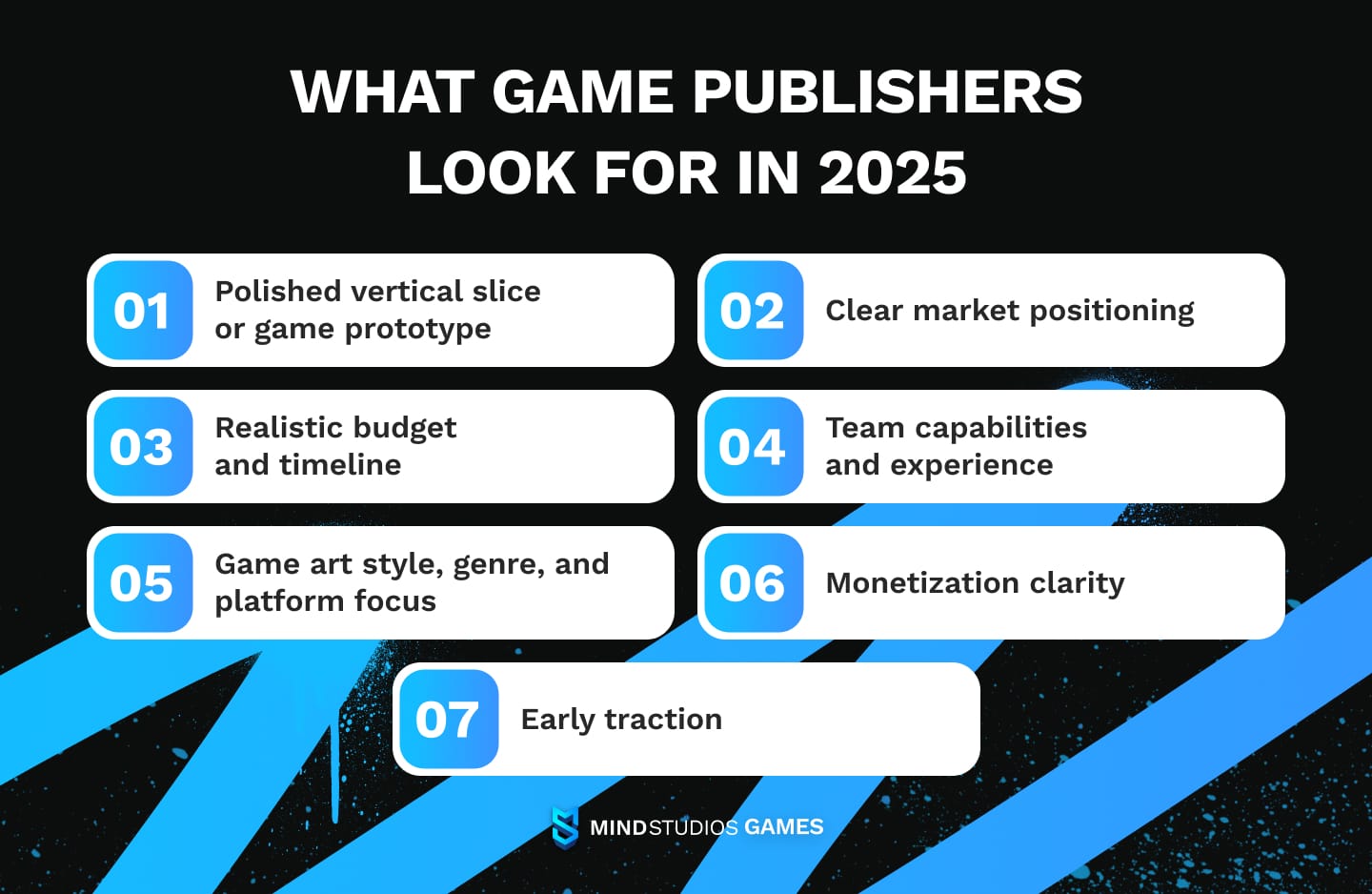
Before you hit any 'upload' buttons, the very first steps in publishing your game involve solidifying your game's identity and understanding its market. First, ensure your game is polished and bug-free – a bad first impression is hard to shake. Then, conduct thorough market research: who is your target audience? What games are they playing? What makes your game unique and why should they care? This isn't just about fun; it's about making a connection with players who value relaxation, fun, and perhaps some skill-building after a long day.
Next, define your Unique Selling Proposition (USP). What problem does your game solve for players, or what specific desire does it fulfill? Is it a cozy game for unwinding, a competitive shooter for skill-building, or a social experience to connect with friends? Craft a compelling elevator pitch and visual assets (screenshots, short video clips) that effectively communicate your game's essence. This early clarity will guide all your subsequent publishing and marketing efforts, ensuring you're appealing directly to those busy gamers looking for their next great experience.
How do I choose the best platform for my game in 2026?
Choosing the right platform is like picking your arena; it significantly impacts your reach and potential success. In 2026, the options are diverse: PC (Steam, Epic Games Store, GOG, Itch.io), consoles (PlayStation, Xbox, Nintendo Switch), and mobile (iOS App Store, Google Play Store). Mobile platforms are particularly strong, given mobile gaming's continued dominance among US gamers.
Consider your game's genre and target audience. Is it a complex strategy game best suited for PC, or a casual puzzle game perfect for a quick mobile session on the commute? Research the audience demographics and content trends of each platform. Steam is excellent for a broad range of PC titles, while Nintendo Switch excels with indie and family-friendly games. Don't forget the technical requirements and certification processes, which can vary wildly. Many developers now target cross-play or multi-platform launches to maximize reach, but starting with one primary platform can simplify initial efforts for budget-conscious teams. Weigh the potential revenue splits and developer support each platform offers.
What marketing strategies actually work for indie games in 2026?
Effective marketing for indie games in 2026 isn't about huge budgets; it's about smart, targeted engagement. Start building hype early, well before launch. Leverage social media platforms like X (formerly Twitter), TikTok, and YouTube Shorts with consistent, engaging content. Share development updates, short gameplay snippets, and behind-the-scenes glimpses that resonate with gamers who appreciate the craft.
Community building is paramount. Establish a Discord server where players can connect with you and each other. Engage with them, gather feedback, and create a sense of ownership. Participate in online gaming events, festivals, and showcases. Partnering with smaller, authentic content creators and streamers can yield genuine exposure to your target audience, often more effectively than large, expensive campaigns. Craft a compelling press kit and reach out to gaming journalists and media outlets that cover indie titles. Organic word-of-mouth from a passionate community is still the most powerful marketing tool, especially for players looking for genuine recommendations from trusted sources, not just hype.
Do I really need a publisher, or can I self-publish successfully?
The choice between self-publishing and working with a publisher is a critical one for many developers, especially those balancing demanding lives. Self-publishing gives you full creative control and 100% of the revenue (after platform fees), but it means you handle everything: marketing, PR, legal, QA, and funding. This can be incredibly time-consuming and daunting if you're not equipped for it. Many successful indie games have been self-published, proving it's a viable path if you have the skills or a strong, small team.
Working with a publisher, on the other hand, can provide funding, marketing expertise, QA resources, and invaluable industry connections. They take a percentage of your revenue, but they also significantly reduce your workload and risk. For developers seeking to offload the business side and focus on game creation, a good publisher can be a godsend. Carefully research potential publishers, look at their track record, and understand the terms of any deal. For gamers who just want to play, the publisher choice might seem irrelevant, but for a developer, it's about choosing the right partner to get their game into the hands of those players.
What legal and financial considerations are crucial before launching?
Ignoring the legal and financial aspects before launch is a common pitfall. Legally, you need to ensure all your intellectual property (IP) is protected. This means having proper contracts with any contractors or collaborators, owning the rights to all assets (art, music, code), and considering copyright and trademark registrations. Understanding regional content ratings (ESRB, PEGI) is also vital, as is compliance with data privacy regulations like GDPR and CCPA, especially if your game collects user information.
Financially, create a realistic budget that covers development, marketing, platform fees, and post-launch support. Understand the tax implications of game sales in different regions. Set up proper business accounts and consider forming a legal entity (LLC, Inc.) to protect yourself. Research payment processing options and revenue splits with platforms. For busy individuals, financial and legal clarity can save massive stress later. Gamers want seamless experiences; developers need to ensure the business behind that experience is equally smooth. Don't be afraid to seek professional advice on these complex areas; it's an investment, not an expense.
How can I build and engage a community before and after launch?
Building a passionate community is your secret weapon. Before launch, start early! Create a dedicated presence on platforms like Discord, Reddit, and your preferred social media channels. Share regular updates, screenshots, devlogs, and answer questions. Run playtests and invite community members to participate, making them feel like an integral part of the development process. This not only generates hype but also provides invaluable feedback to refine your game. Gamers, especially those who balance life and play, appreciate feeling connected and having a voice in games they care about.
After launch, the engagement doesn't stop; it evolves. Continue to communicate transparently about updates, bug fixes, and future content. Actively participate in your community forums, addressing concerns and celebrating successes. Organize community events, contests, or Q&A sessions. Listen to feedback for future patches and expansions. A loyal community not only sustains your game but also acts as your most effective marketing team, spreading positive word-of-mouth and encouraging new players to join. This month's trends continue to show social gaming and community interaction as major drivers for player retention.
What are the key monetization models for modern games?
In 2026, monetization models are varied, and choosing the right one requires careful thought to ensure value for money without alienating your player base. The traditional premium model (buy once, play forever) is still strong, especially for single-player narrative-driven games or highly polished indie titles. Free-to-play (F2P) remains dominant in mobile and increasingly on PC, typically relying on battle passes, cosmetic microtransactions, or optional DLC. The key here is to offer value and ensure purchases feel optional and additive, not mandatory for progression or
Understanding platform options, marketing essentials, legal considerations, community building, monetization strategies, post-launch support, and budget management for game publishing.
35


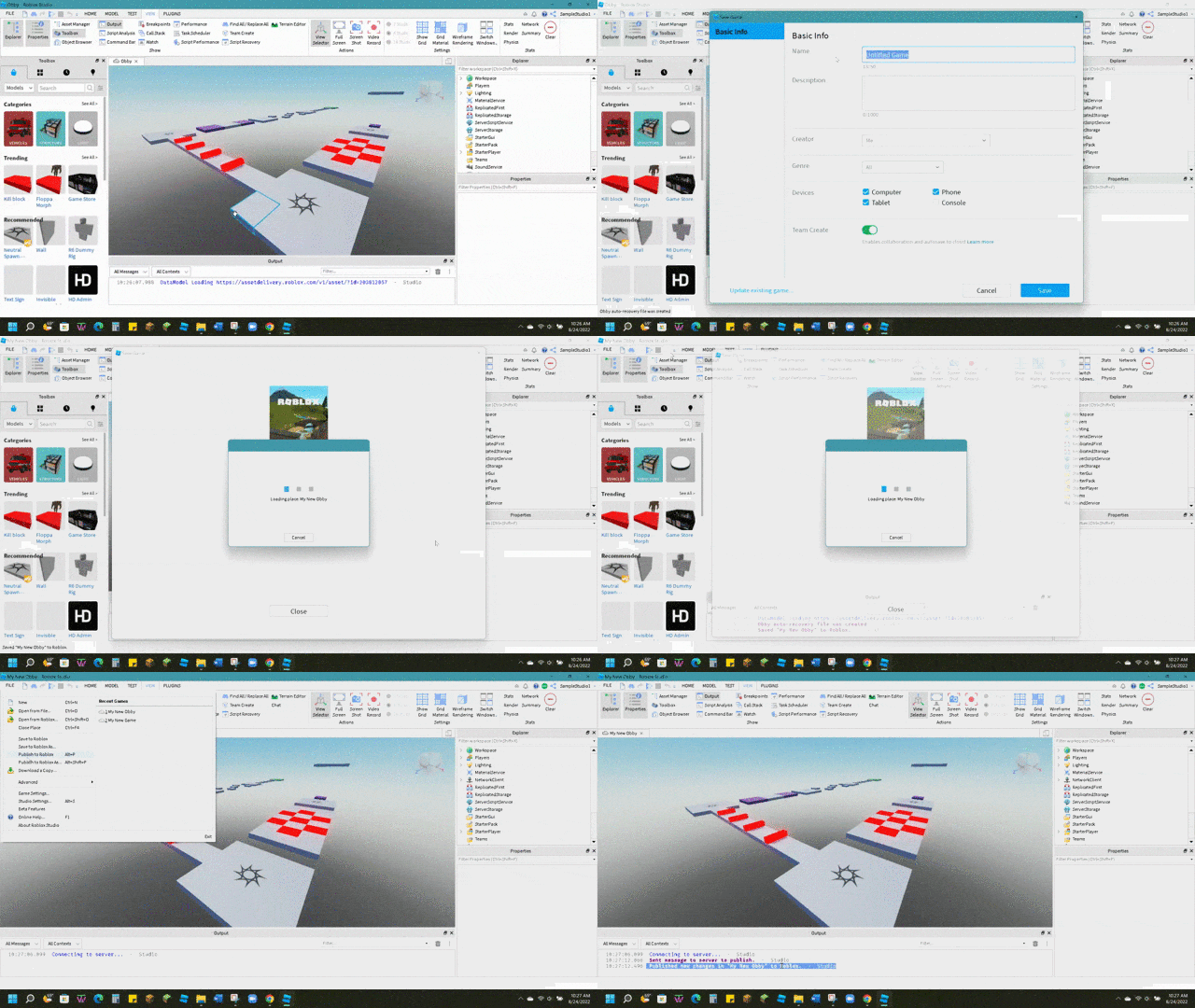
How To Publish A Game On Roblox In 2026 Roblox YouTube . How To Publish A Roblox Game 2026 Complete Roblox Studio Tutorial . 2026 Upcoming Games And Game Release Dates Guide 2026 Upcoming Games Release Dates . 2026 Indie Game Production Marketing Guide Indie Game Sucess In 2026 Featured Image . Ready To Share How To Publish Your Roblox Game
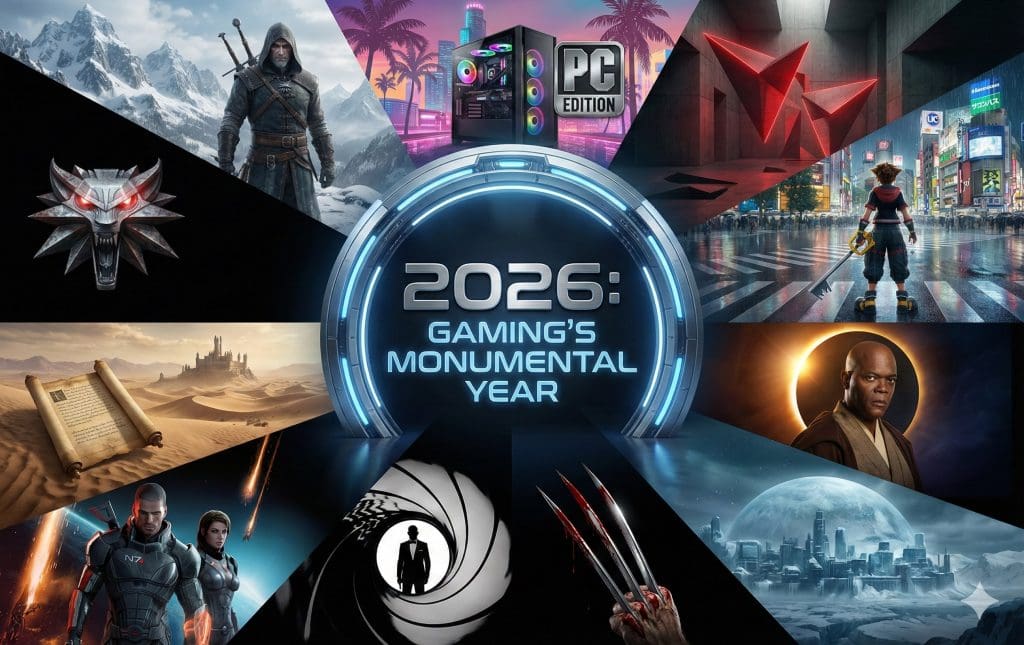

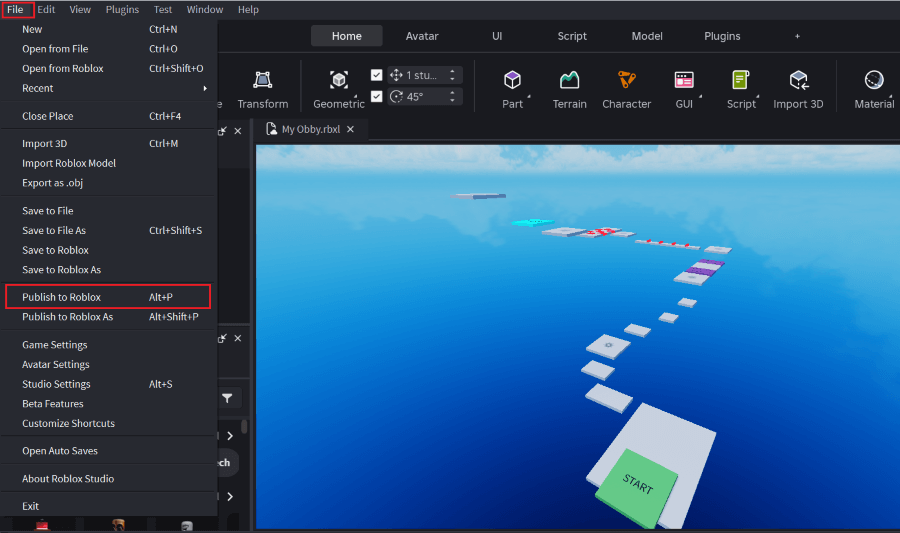
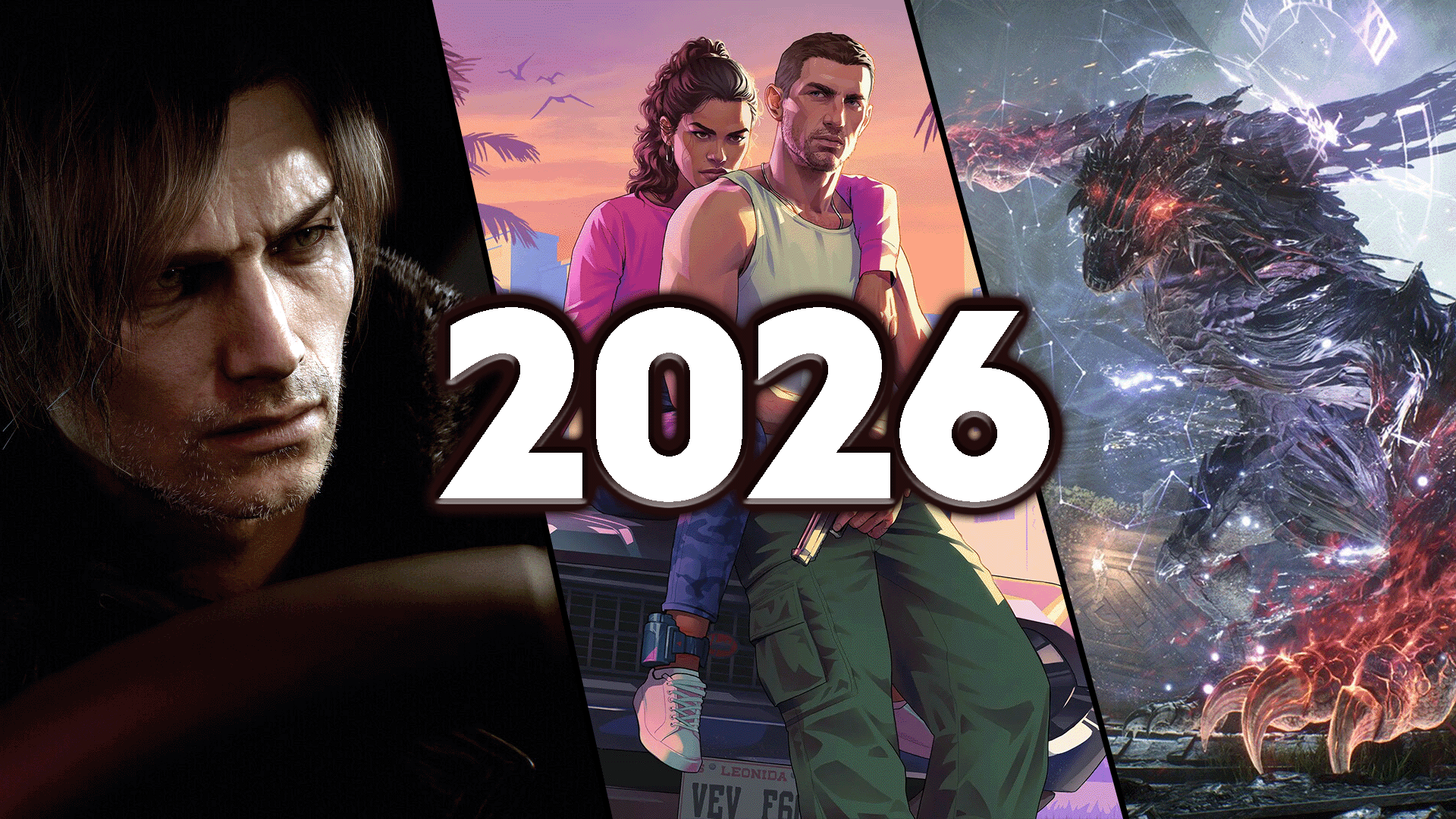
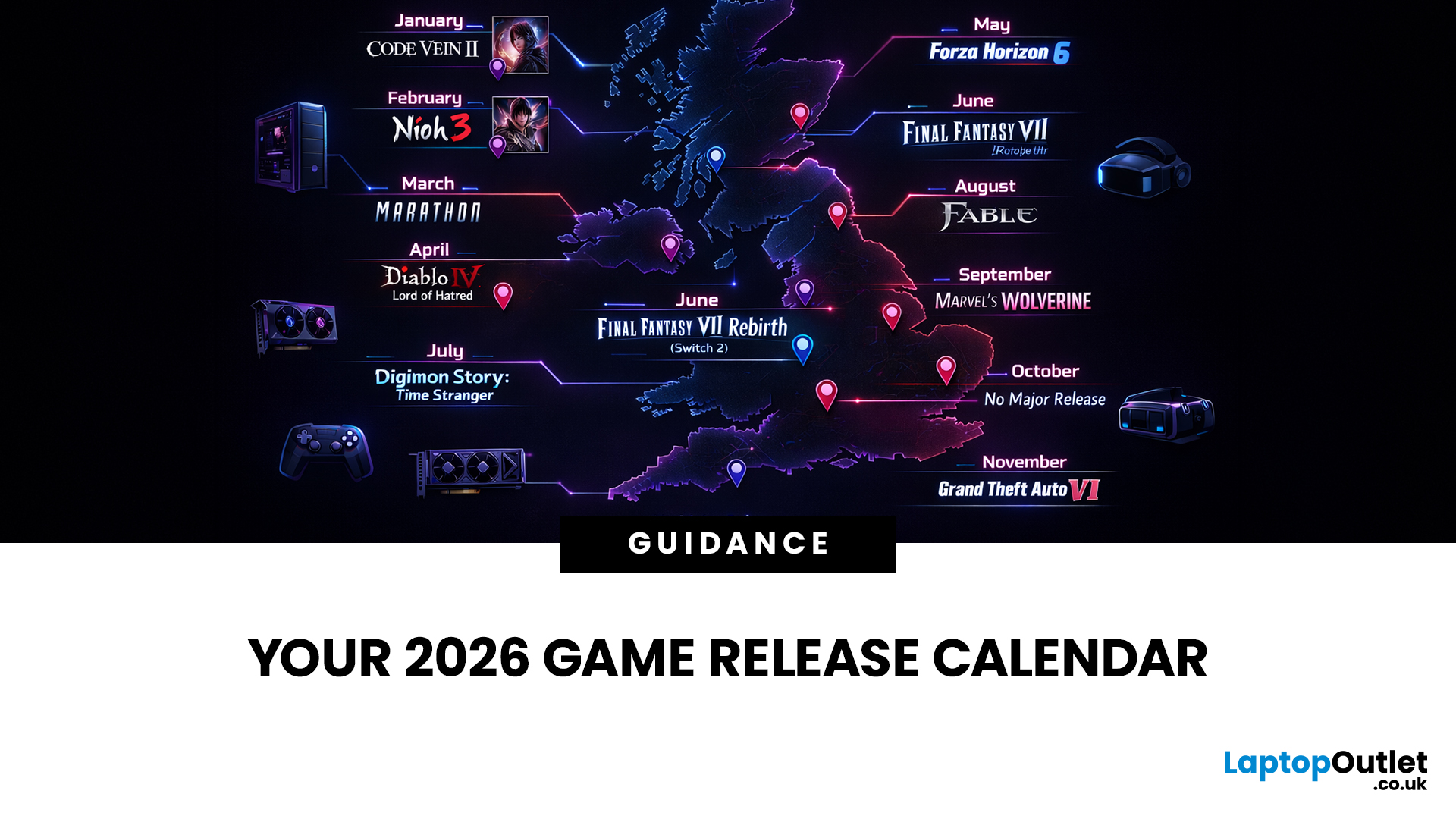
10 Much Awaited Games Set To Launch In 2026 Games To Launch 2026 1024x645 . Most Anticipated Games Of 2026 Inquiry Reveals Secrecy Around Doomed . Ready To Share How To Publish Your Roblox Game Publish Roblox Game Step 1 Update 1 . 2026 Games Release Schedule Everything Coming Out This Year 2026 Most Anticipated Games . 2026 Game Releases Full Upcoming Games Calendar Release Dates PS5 Game Releases Full Calendar Release Dates Main
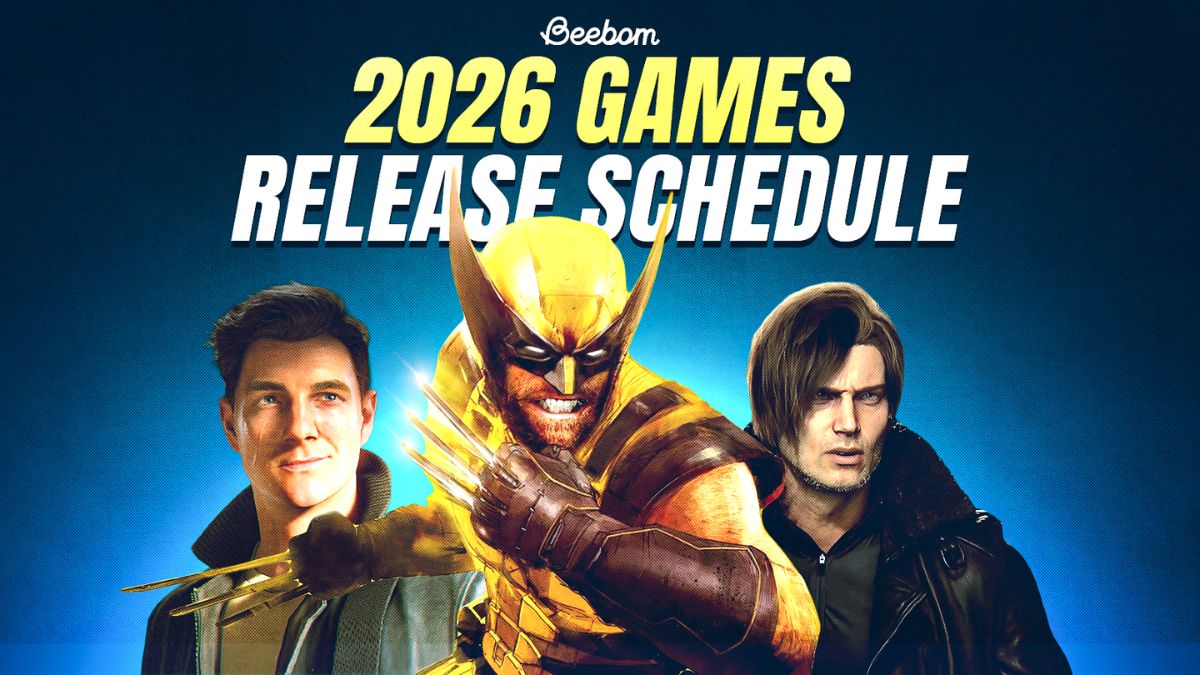
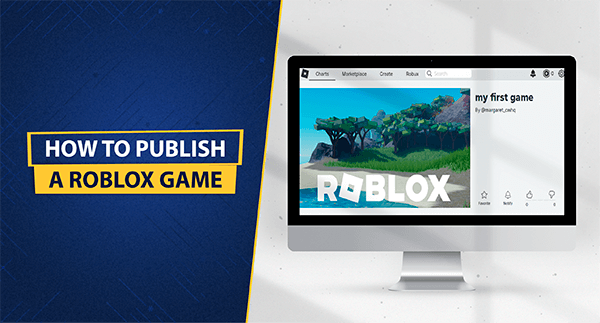
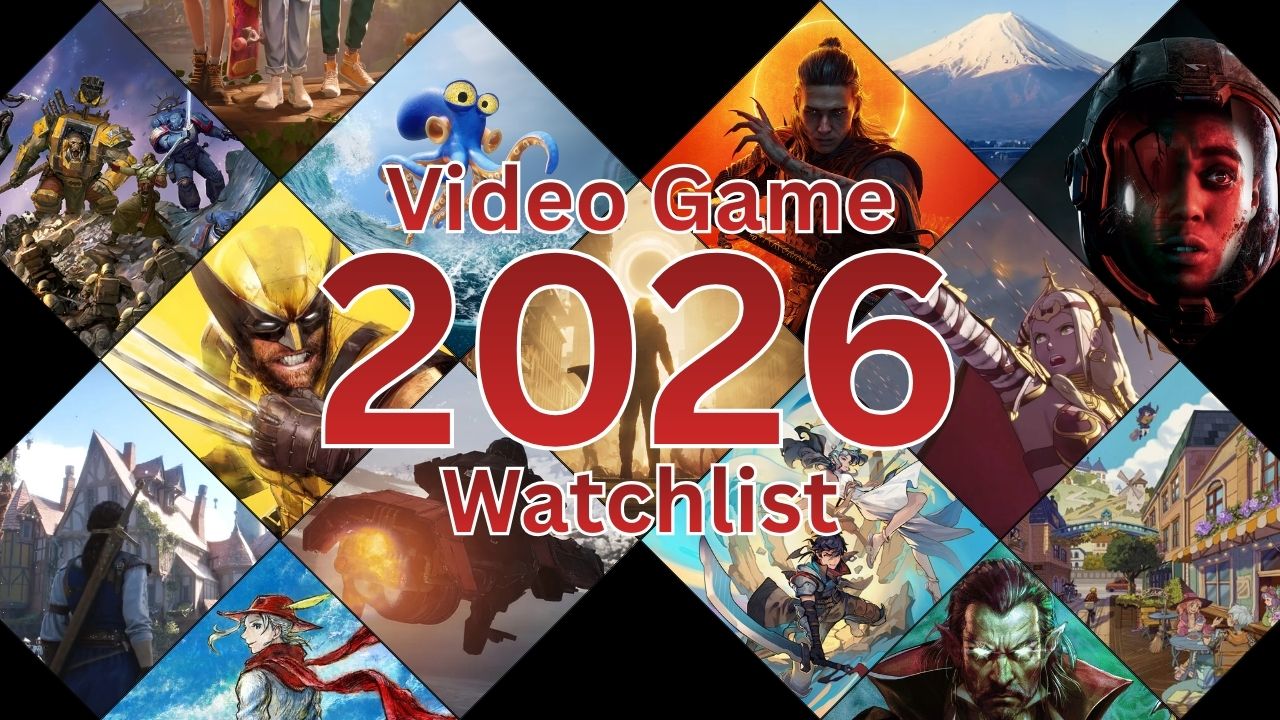
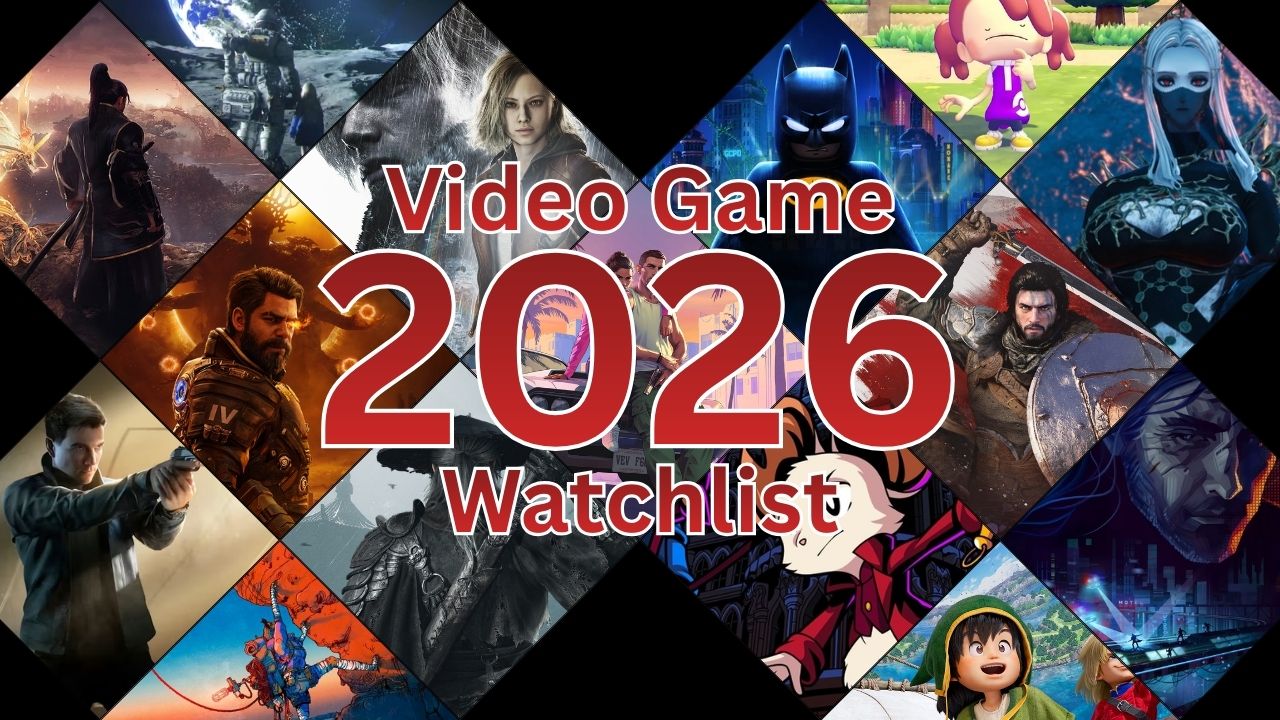

Upcoming Games 2026 Full Video Game Release Calendar Beebom 2026 Games Release Schedule . Ready To Share How To Publish Your Roblox Game How To Publish Roblox Game Social Banner . Video Games 2026 Ones To Watch Part 2 Quest Daily 2026 Games Pt 2 . Video Games 2026 Ones To Watch Part 1 Quest Daily 2026 Games Pt 1 . Ready To Share How To Publish Your Roblox Game Screen Shot 2024 10 17 At 5.41.09 PM


2026 Is Already Packed With Highly Anticipated Games MegaGames 2026 Is Already Packed With Highly Anticipated Games 01 920x520 . Ready To Share How To Publish Your Roblox Game . Ready To Share How To Publish Your Roblox Game . Ready To Share How To Publish Your Roblox Game . Ready To Share How To Publish Your Roblox Game
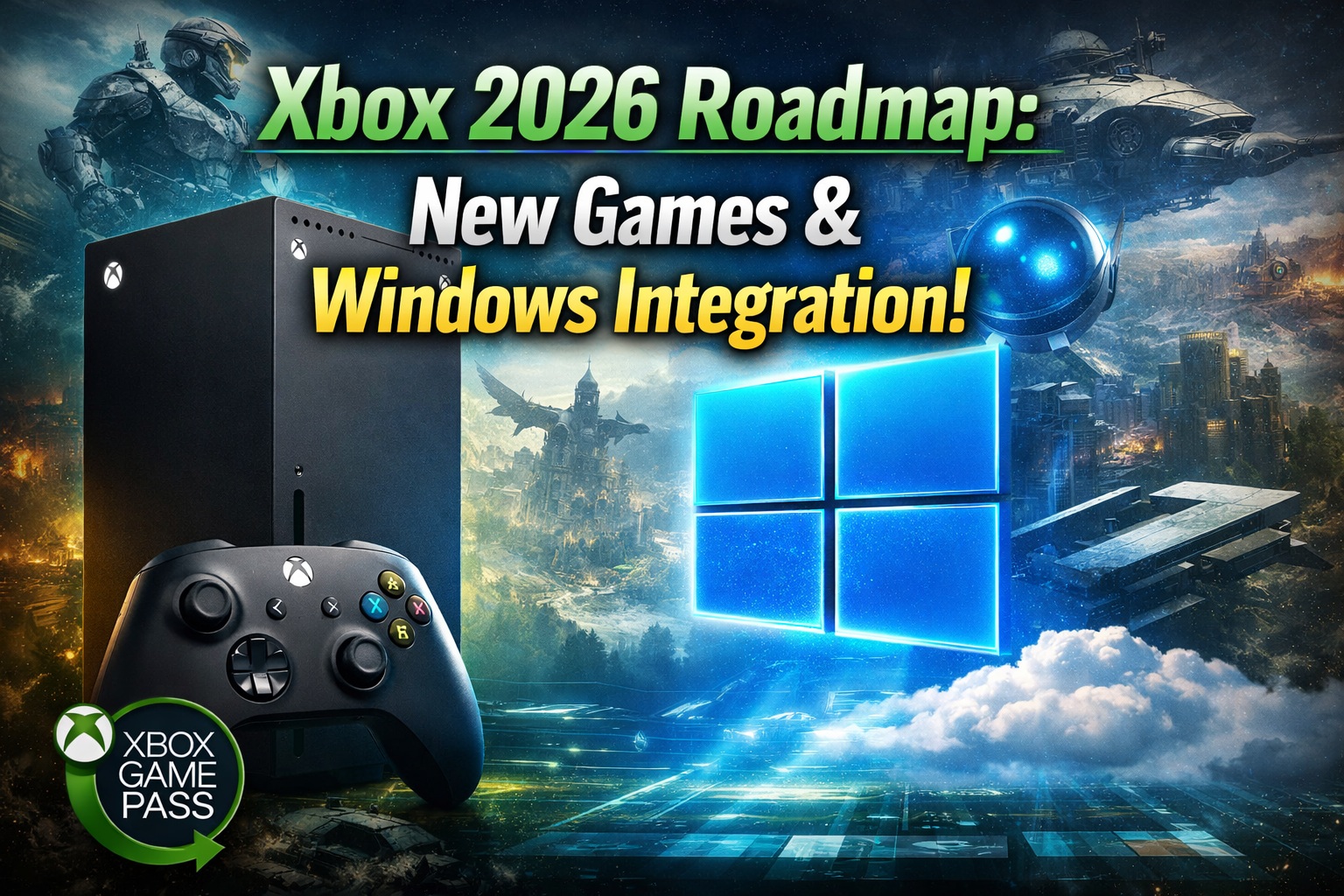
Ready To Share How To Publish Your Roblox Game . How To Publish Your Game On Steam In 2026 A Step By Step Guide How To Publish Your Game On Steam.webp. 10 Ways 2026 Will Be A Turning Point For Game Design According To 480 80 . How To Publish Games Instantly A 2026 Guide Mentionable 1771221668 . Xbox 2026 Roadmap New Games Windows Integration Revealed Xbox 2026 Roadmap Concept


.png)
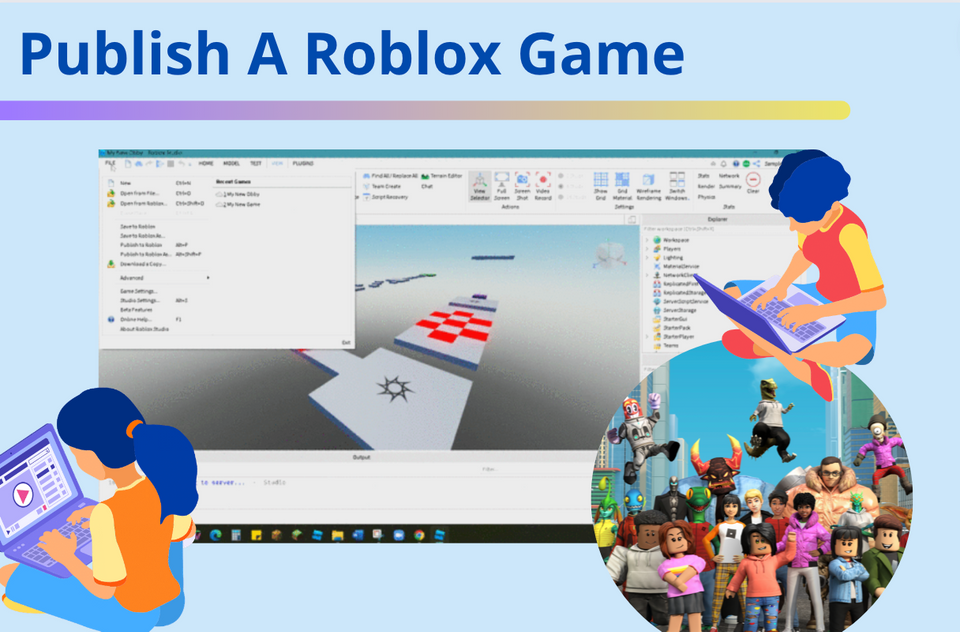

Game Awards 2026 Game Of The Year 2026 Game Awards Game Of The Year .webp. Upcoming Games 2026 7 Games BhutsaTech Upcoming Games Bhutsatech . Video Game Release Dates 2026 Full List Of Upcoming Games Too Much Guide (3) . Ready To Share How To Publish Your Roblox Game Screen Shot 2022 08 24 At 11.36.11 AM . How To Make A Roblox Game In 2024 Easy Guide Beebom Publish To Roblox
How To Sell A Game On Steam A Complete Guide For Indie Developers 2026 Infographic How To Sell A Game On Steam Steps . How To Publish A Game On Steam Step By Step Guide Datahumble Image. Make Your Mark Publishing Games On Roblox Savepub . Pitching Your Game In 2026 What Publishers Are Looking For IMG 3 2 . Hooters Calendar 2026 Release Date 2026 Video Game Release Dates Post Feature Image