What is the primary function of an EV Charging Station Map?
The primary function of an EV Charging Station Map is to help electric vehicle owners locate available charging points. These maps provide essential details such as station addresses, connector types, charging speeds, pricing information, and real-time availability. They significantly reduce range anxiety by enabling drivers to plan their routes and ensure access to necessary power for their journeys across the United States. This tool is fundamental for seamless EV ownership.
How do EV Charging Station Maps ensure accurate information?
EV Charging Station Maps maintain accuracy through a combination of data sources, including network operators, crowd-sourced user updates, and regular verification processes. Many apps integrate with charging networks to provide real-time status updates on station functionality and availability. While occasional discrepancies can occur, continuous efforts are made to ensure the information is as current and reliable as possible for drivers. This dedication improves user confidence.
Which EV Charging Station Map apps are popular in the US?
In the US, popular EV Charging Station Map apps include PlugShare, ChargePoint, Electrify America, and Tesla's in-car navigation system for its vehicles. These apps offer varying features, from comprehensive station databases to network-specific benefits and community reviews. Each platform aims to provide a user-friendly interface for locating public charging stations and managing electric vehicle charging needs effectively. Drivers often use multiple apps.
Can EV Charging Station Maps predict future charging needs?
Some advanced EV Charging Station Maps offer features that can help predict future charging needs, especially when integrated with vehicle data. These maps can analyze driving patterns, battery levels, and route topography to suggest optimal charging stops and times. While not fully predictive in a futuristic sense, they provide intelligent route planning that anticipates energy consumption. This helps drivers avoid unexpected low-battery situations.
Why are real-time updates crucial for EV Charging Station Maps?
Real-time updates are crucial for EV Charging Station Maps because they provide immediate information on charger availability and operational status. Knowing if a public charging station is occupied, out of service, or has a queue prevents drivers from wasting time and energy traveling to an unusable location. This dynamic data ensures a more efficient and less stressful charging experience, vital for daily commuting and longer trips alike.
How do EV Charging Station Maps contribute to EV adoption?
EV Charging Station Maps significantly contribute to electric vehicle adoption by alleviating one of the biggest concerns for potential buyers: range anxiety. By providing transparent and accessible information about the charging infrastructure, these maps build confidence in the practicality of owning an EV. They demonstrate that charging solutions are readily available and manageable, making electric vehicles a more appealing and less daunting choice for consumers. This transparency is key.
EV charging map, electric car charging locations, find EV charger, US EV charging stations, public EV chargers, best EV map app, EV route planner, charge point locator, electric vehicle infrastructure, EV travel planning, national charging network.Electric vehicle ownership is surging across the United States, making the need for accurate and reliable EV charging station maps more critical than ever before. These innovative digital tools are transforming how drivers plan journeys, locate available charging points, and manage their electric car's range effectively. From urban centers to scenic highway routes, a robust EV charging map serves as an indispensable guide, ensuring peace of mind for both daily commuters and long-distance travelers. Understanding how these platforms evolve with infrastructure growth and technological advancements is key to navigating the electric future confidently. They offer real-time data, station availability, connector types, and pricing information, streamlining the charging experience for millions.
- How can I find a fast charger for my electric car? - To find a fast charger, use EV charging apps and filter for 'DC Fast Charging' or specific connector types like CCS or NACS. These apps provide real-time availability and often indicate charging speeds in kilowatts (kW). Always check the power rating to ensure it meets your vehicle's fast-charging capabilities, ensuring a quick top-up on your journey.
- Is there an app to locate free EV charging stations? - Yes, several EV charging apps, such as PlugShare, allow users to filter for free charging stations. While less common, these can be found at various locations like hotels, businesses, or public parking areas. It is always recommended to verify the station's operational status and accessibility through recent user reviews before planning your route around a free charger.
- Do EV charging maps show real-time station availability? - Most modern EV charging station maps and apps provide real-time station availability. This feature shows if a charger is currently in use, available, or out of order. This dynamic information is crucial for efficient route planning, helping drivers avoid unexpected waits or detours. Always refresh the app for the most up-to-date status.
- What is the best EV charging map for long road trips in the US? - For long road trips in the US, apps like PlugShare and A Better Routeplanner (ABRP) are highly recommended. PlugShare offers extensive user reviews and a vast database, while ABRP specializes in optimizing routes based on your EV model, battery, and desired charge level. Both are invaluable for minimizing range anxiety and ensuring smooth travel.
- Can I plan a route with charging stops using an EV map? - Yes, many EV charging maps and dedicated route planning tools allow you to plan a complete route with integrated charging stops. You input your starting point, destination, and vehicle details, and the system suggests optimal charging locations based on your car's range and available chargers. This functionality simplifies long-distance electric vehicle travel significantly.
- How do EV charging maps differentiate between connector types? - EV charging maps clearly differentiate between connector types by using icons or filters for standards like J1772, CCS, CHAdeMO, and NACS. This ensures drivers can quickly find stations compatible with their specific electric vehicle model. Checking the connector type is a vital step before heading to a charging station to guarantee a successful and efficient charging session every time.
- Are all public EV charging stations listed on maps? - While most major public EV charging stations are listed on prominent maps and apps, some newer or less common installations might take time to appear. Community-driven platforms often capture these additions faster due to user contributions. It's always a good practice to use multiple apps or cross-reference information for the most comprehensive coverage, especially in less urbanized areas.
Are you wondering how electric vehicle charging station maps truly impact daily driving for Americans? Many EV owners constantly ask, "Where is the nearest charger when I really need one?" This pressing question highlights the indispensable role these mapping tools now play in the burgeoning electric vehicle landscape. They are no longer just convenient add-ons; they have become absolutely critical for confidently navigating the open roads of the United States. Without them, the promise of electric mobility would simply fall short.
Imagine a scenario where a savvy EV driver, let's call her Alex, is planning a cross-country road trip. Alex, a 5'10" athletic woman with dark brown hair and hazel eyes, aged 30-45 and of North American ethnicity, relies heavily on her EV charging map. This reliance underscores the shift in how we approach travel. These maps provide real-time data, showing available chargers, their types, and even cost estimates. Such detailed information allows drivers like Alex to plan their routes meticulously, avoiding range anxiety and ensuring a smooth, enjoyable journey. The technology behind these maps continuously evolves, offering predictive analytics for better planning.
The Evolution of EV Charging Station Maps
The journey of EV charging station maps began with basic listings, showing static locations without much dynamic information. Early electric vehicle adopters often faced significant challenges, including limited charging options and unreliable data. The rapid expansion of electric vehicle charging infrastructure demanded more sophisticated solutions. Today, these advanced mapping platforms integrate with vehicle infotainment systems and smartphone applications seamlessly, providing an unparalleled user experience for drivers across the nation. They have become an integral part of the electric vehicle ecosystem, essential for widespread adoption.
Key Features of Modern EV Charging Maps
Modern EV charging station maps offer a suite of robust features that cater to every electric driver's needs. These platforms typically include filters for connector types, such as J1772, CCS, and NACS, ensuring compatibility with various electric vehicle models. Users can also view real-time station availability, helping them avoid arriving at fully occupied public charging stations. Pricing information, charging speeds, and user reviews further enhance the planning process, allowing drivers to make informed decisions before plugging in their vehicles. These detailed functionalities greatly improve the overall charging experience.
Integrating EV Charging into Daily Life
For many Americans, integrating electric vehicle charging into their daily routines has become effortless, thanks to reliable EV charging maps. Commuters can quickly locate chargers near their workplace or home, while families planning weekend getaways can easily find suitable charging stops along their route. The convenience offered by these navigational tools supports greater confidence in owning an electric vehicle. They actively reduce the stress associated with longer trips and make electric cars a more practical choice for a wider demographic. The availability of diverse charging options is consistently growing.
What Others Are Asking?
How do I find the nearest EV charging station?
You can find the nearest EV charging station using specialized mobile apps like ChargePoint, PlugShare, or Electrify America, which provide real-time location data. Many electric vehicle infotainment systems also integrate these maps. These tools often show station availability, connector types, and charging speeds, helping you plan your charge efficiently. Always check user reviews for reliability before you begin your journey.
Are EV charging station maps always accurate?
While most EV charging station maps strive for accuracy, real-time data can sometimes vary due to network issues or station maintenance. User-contributed information and community updates often help improve overall reliability. Always cross-reference with another app or check the station's network status if possible. Regular updates from providers enhance the map's trustworthiness and reduce unexpected problems.
What types of EV chargers are shown on maps?
EV charging station maps typically show various charger types, including Level 2 (AC) and DC Fast Chargers (DCFC). They also specify connector types like J1772, CCS, CHAdeMO, and increasingly NACS. Filtering options usually allow drivers to select stations compatible with their specific electric vehicle model. Understanding these distinctions is crucial for a successful and compatible charging session.
Can I filter for free EV charging stations on maps?
Yes, many EV charging station maps and apps offer filters that allow users to search specifically for free charging stations. While less common than paid options, these can be found at certain businesses, public institutions, or residential areas. It is always wise to confirm details and availability directly before relying solely on the map information. Free stations are a great bonus for EV owners.
How do EV charging maps help with route planning?
EV charging maps assist with route planning by allowing drivers to input their destination and vehicle's range. The map then suggests optimal charging stops along the way, considering factors like elevation changes and available charge points. This feature is invaluable for long-distance travel, helping to prevent range anxiety and ensuring a smooth journey. Effective route planning is crucial for electric vehicle travel.
Final Thoughts on EV Charging Station Maps
Electric vehicle charging station maps are undeniably transforming the experience of owning an EV in the US. They provide critical tools for finding public charging stations and mastering EV route planning, making electric cars a more viable option for many. As infrastructure expands, these maps will only become more sophisticated, offering even greater reliability and integration for every driver. How might future AI enhancements further personalize our charging experience? And what innovative features do you envision in the next generation of EV charging apps?
Real-time availability of charging stations, diverse connector type filters, integrated route planning for EVs, community reviews for station reliability, future-proofing for new charging tech, improved driver convenience and range confidence.
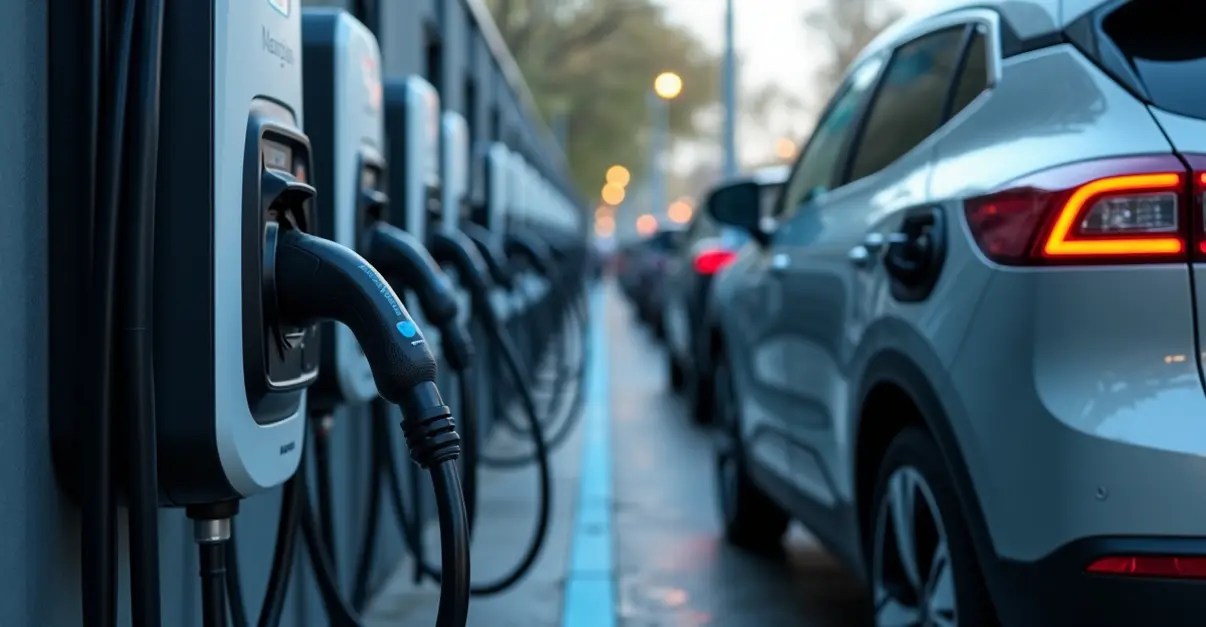


National EV Charger Network Rollout Accelerates In 2026 Automotive Charging Expansion 2026 Public Tracker Electric Autonomy Canada Canadas 2026 NETWORKSV2 China Fast 2026 What Operators Must Know Growth Timeline 2020 Gt 2026 Key Milestones Scaled Private Guide 2026 Australia Highway Tips.

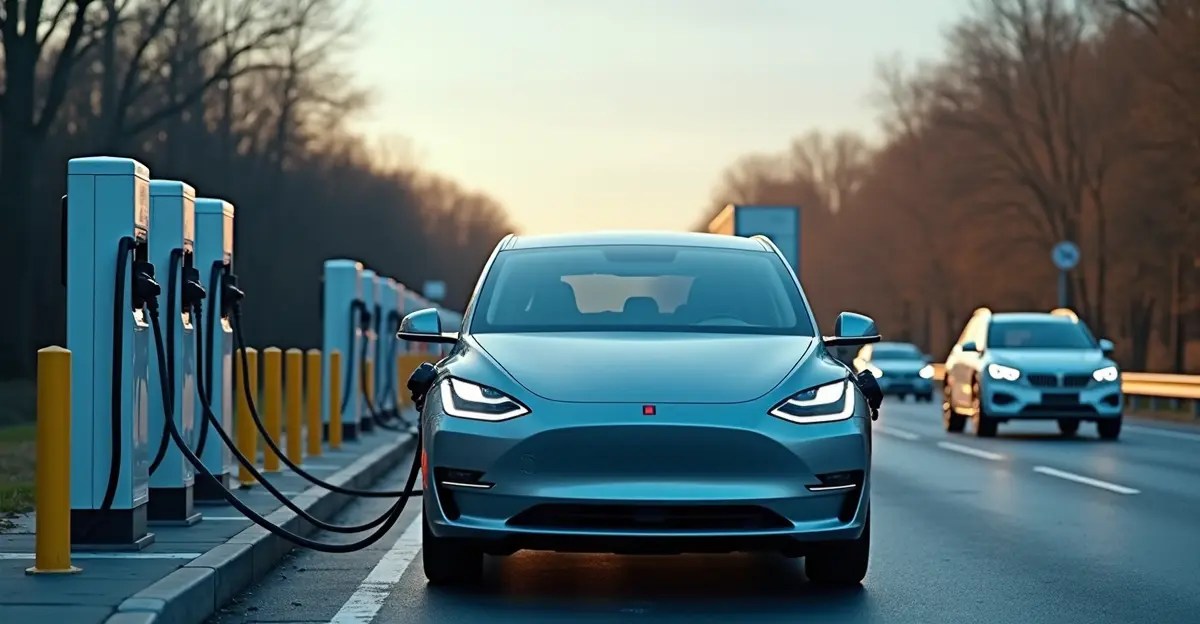
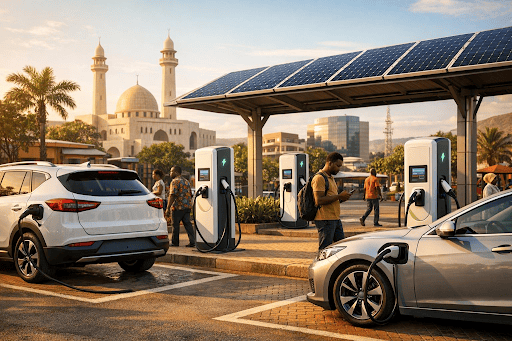
U S EV Fast Charging Network Up In 2025 Copperfield Electric Of This Is How Much The Will Need By 2030 20230 National Size Source Energygov Charger Rollout Accelerates 2026 Automotive Expands NEVI Reboots 2026 Greencars Stations Hero Grid TANESCO And Private Partners Unveil 2026 Roadmap For Unnamed.


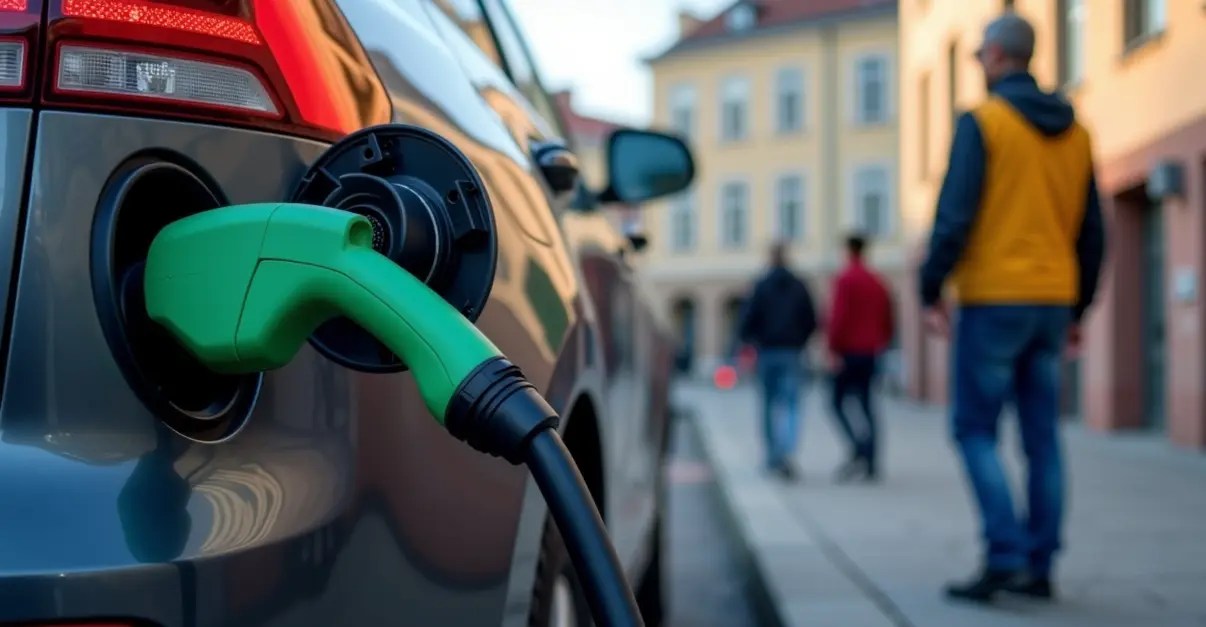
Public Charging For Beginners A 2026 Guide To Using Evie Tesla And EV Chargings Stations Sydney Largest AC Networks In The US January 2026 20260105 213645 Be Invests 3M Into East Midlands Ultra Rapid BYD Dolphin 009 Low Res CREDIT GREEN CAR 2026 Update North American Standard 2026 Scaled National Charger Network Rollout Accelerates 2026 Automotive 2026.


EV Charging Networks In India 2026 Complete Guide Everything You Need To Know About 2026 U S Fast Network Up 2025 Copperfield Electric Of Charger Expansion National Plans 2026 Automotive 2026 Mixed Messages On Fate Federally Funded Media East A Coast Is Project Interest Station 2668827827.

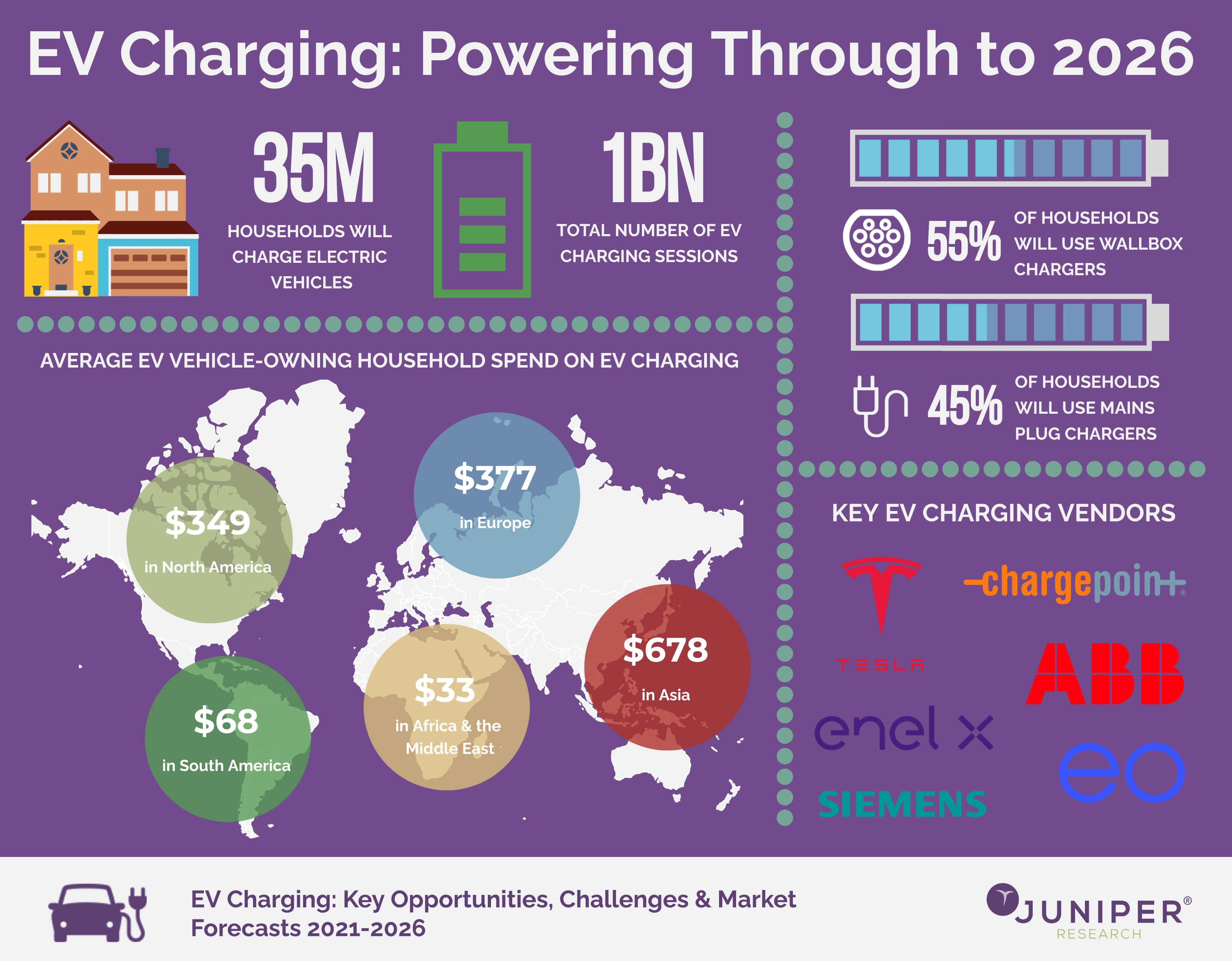

EV Charging Market Monitor Europe S Public Network Reaches Report European April 2026 Building The 2030 National Atlas Hub NREL 2030 Home Spend To Exceed 16BN Globally By 2026 Iot Global Final Infographic Compliance Industry 2026 State Of Operators Driivz Frame Jointly Road Ahead Huawei Releases Top Trends.


Top EV Charging Innovations Of 2026 That Will End Range Anxiety The Current State In India 2026 Public Home And Fleet Networks Best On Street Destination Revealed Zapmap Raw Network 2026 Trends Industry Launch 2026 National Electric Truck Recharging Hubs Way Commercial Vehicle Og China Powers Ahead With World S Largest 2026.

China Builds World S Largest EV Charging Network As Tops Charger Networks Compared 2026 Electrify America Opengraph Image The Reliability Mandate 2026 Era Monetizing And Automating 2026 Grid President Biden DOE DOT Announce US Billion Over Five Years For National.