Ever wondered who crafts the digital worlds we escape into after a long day or what goes on behind the scenes of your favorite mobile game? Understanding what is a gaming company goes beyond just playing. From the indie studio building a cozy narrative gem to the massive publisher launching an esports phenomenon, these organizations are the architects of our interactive entertainment. This comprehensive guide navigates the dynamic landscape of the video game industry in 2026, exploring diverse company types, their core functions, how they innovate for busy gamers balancing life with play, and the current trends shaping their strategies. Discover the roles, revenue streams, and challenges faced by these creators, providing insights that empower you to appreciate your games even more and make informed choices about your digital adventures. Learn how these companies are adapting to cross-play, social gaming, and budget-conscious players, ensuring your gaming experience is always evolving.
What is a Gaming Company and What Do They Actually Do?
A gaming company is an organization that designs, develops, markets, and distributes video games. This can range from a small indie studio with a handful of people creating niche titles to massive corporations with thousands of employees producing blockbuster franchises. Essentially, they are the architects of the digital worlds and interactive experiences we love. Their work involves everything from initial concept and game design to programming, art creation, quality assurance, and ongoing community support after a game launches. Many also handle publishing, which includes funding, marketing, and distribution to get games into players' hands, ensuring a smooth experience from discovery to gameplay.
How Do Gaming Companies Make Money in the Current Market?
Gaming companies employ diverse revenue strategies in 2026. Beyond traditional upfront game sales, free-to-play (F2P) models dominate mobile and many PC/console segments, earning through in-app purchases (IAPs) for cosmetics or convenience. Subscriptions like Xbox Game Pass offer recurring revenue and value, while battle passes provide seasonal content monetization. Advertising within games, especially mobile titles, also contributes significantly. Furthermore, esports events, merchandise, and licensing deals for intellectual property provide additional income, reflecting a multifaceted approach to financial sustainability in a competitive market.
What are the Main Types of Gaming Companies I Should Know About?
There are generally three main types of gaming companies: **Developers**, **Publishers**, and **Platform Holders**. Developers are the creative teams that actually build the games, ranging from small indie studios known for unique experiences to large, established studios making AAA titles. Publishers handle the funding, marketing, and distribution, acting as the bridge between developers and players. Platform Holders (like Sony, Microsoft, Nintendo, or Steam) own the hardware and software ecosystems where games are played, providing the infrastructure and marketplaces. Many larger companies integrate multiple roles, acting as both developer and publisher.
Who Are the Key People Working Inside a Gaming Company?
A gaming company is a collaborative ecosystem with many specialized roles. Key positions include **Game Designers** (who conceptualize the game mechanics and experience), **Programmers** (who write the code), **Artists** and **Animators** (who create the visual assets), **Writers** (for narratives and dialogue), **Quality Assurance (QA) Testers** (who find bugs and ensure stability, crucial for avoiding setup and performance issues), and **Producers** (who manage the project lifecycle). Additionally, **Marketing** and **Community Managers** are vital for promoting games and engaging with players, fostering the social aspects many gamers seek.
How Do Gaming Companies Stay Relevant Amidst Rapid Industry Changes?
Gaming companies adapt to rapid changes through constant innovation, player feedback integration, and market analysis. They invest in R&D for new technologies like enhanced VR and AI, while simultaneously analyzing player data to understand preferences for genres, monetization, and social features. Engaging with player communities through betas, forums, and social media helps them gather direct feedback on game performance, desired features, and common pain points. This iterative process allows them to refine existing titles and develop new ones that resonate with current trends like cross-play and accessible gameplay for busy schedules, ensuring they offer value to their diverse player base.
Why Do Some Gaming Companies Focus Heavily on Live Service Games?
Gaming companies increasingly prioritize live service games because they offer sustained engagement and recurring revenue beyond a single purchase. Unlike traditional games, live service titles like Fortnite or Destiny 2 provide continuous updates, seasonal content, and events, keeping players invested over long periods. This model fosters stronger communities, encourages social play, and allows for continuous iteration based on player feedback, addressing desires for fresh content and optimal performance. For companies, it means a more stable income stream through battle passes, cosmetics, and expansions, ensuring longevity in a competitive market, which ultimately provides more value for money to dedicated players.
What Role Do Gaming Companies Play in Esports and Streamer Culture?
Gaming companies are integral to the flourishing esports and streamer culture. They develop the games that become competitive esports titles, often designing specific features for competitive balance and spectator appeal. Many companies also directly fund and organize major esports tournaments, establish professional leagues, and partner with streaming platforms. They recognize that content creators and streamers are powerful influencers, helping to market games, build communities, and provide real-time engagement. This symbiotic relationship not only boosts game visibility but also creates new career paths and strengthens the social fabric of the gaming community, making it easier for players to stay current without hype.
After a long day of work, managing family responsibilities, or tackling life's curveballs, there's nothing quite like unwinding with your favorite game. Maybe it's a quick match on your phone, an immersive story on your console, or a competitive session with friends on PC. But as you navigate these digital worlds, have you ever stopped to wonder about the architects behind them? Who are these 'gaming companies' that create the magic, push the boundaries of technology, and keep us coming back for more? And how do they manage to stay relevant in a market that moves at lightning speed?
For many of us, gaming is a vital outlet for relaxation, skill-building, and social connection. We want great experiences that respect our time and money, whether that means a bug-free launch, solid performance, or new content that keeps things fresh without constant hype. Understanding what is a gaming company can feel overwhelming, given the sheer volume of games and the rapid shifts in technology. This article is your practical guide, designed to demystify the industry and help you understand how these companies operate, ensuring you can better navigate your gaming choices and appreciate the complex ecosystem that delivers the entertainment you love. We'll dive into the roles, challenges, and future of gaming companies, making sense of a world that impacts nearly 87% of US adult gamers who play regularly, often dedicating 10+ hours a week.
What Exactly is a Gaming Company?
At its core, a gaming company is an entity responsible for the creation, development, marketing, and distribution of video games. This definition, however, barely scratches the surface of the vast and intricate operations involved. These companies can range dramatically in size and scope, from a small handful of independent developers working out of a garage to massive multinational corporations employing thousands across various departments. Their primary goal is to design and produce interactive entertainment experiences that captivate players, but the path to achieving this is incredibly diverse.
In 2026, a gaming company isn't just about coding and graphics; it's about building communities, maintaining live services, understanding player psychology, and navigating complex global markets. Many now focus on cross-platform accessibility, allowing you to play with friends regardless of their device, a trend highly valued by busy adults who game to stay connected. They are constantly innovating, balancing creative vision with business viability and the ever-present demand for stable, engaging, and value-driven content.
How Do Gaming Companies Make Money in 2026?
The revenue models for gaming companies have evolved dramatically beyond simply selling a game disc. Today, a diversified approach is key to financial success. One prominent model is the traditional **premium game sale**, where players purchase a full-priced game upfront, common for console and PC titles. However, **free-to-play (F2P)** models, particularly dominant in mobile gaming (which commands a significant portion of the market), generate revenue through in-app purchases (IAPs) for cosmetics, power-ups, or convenience items. Many busy gamers find F2P appealing for quick sessions, but smart spending is crucial.
Beyond direct sales and IAPs, **subscriptions** (like Xbox Game Pass or PlayStation Plus) offer access to a library of games for a recurring fee, providing consistent revenue and value for money. **Battle passes** are another popular mechanism, offering tiered rewards for playing a game over a season. **Advertising**, especially within mobile F2P titles, also contributes significantly. Furthermore, **esports events**, **merchandise**, and **licensing** deals provide additional income streams, showcasing how comprehensive these businesses have become in leveraging their intellectual property.
What are the Different Types of Gaming Companies?
The gaming industry is segmented into several key types of companies, each with a distinct role in bringing games to life.
- Game Developers: These are the creative powerhouses that design and build the games. They can be internal studios owned by publishers or independent (indie) studios. Indie developers often focus on niche genres or innovative concepts, appealing to players seeking unique experiences beyond mainstream titles. Many developers now prioritize games that can be picked up and put down easily, perfect for gamers with limited time.
- Game Publishers: Publishers are responsible for funding development, marketing, distribution, and sometimes even manufacturing of games. They act as the bridge between the developer's vision and the consumer market, handling everything from securing retail space to running advertising campaigns and managing community relations.
- Platform Holders: Companies like Sony (PlayStation), Microsoft (Xbox), Nintendo, Valve (Steam), and Apple/Google (mobile app stores) own the ecosystems where games are played. They create the hardware and software infrastructure, provide development tools, and take a cut of game sales made on their platforms.
- Esports Organizations: With the massive growth of competitive gaming, esports organizations manage professional teams, host tournaments, and create content around competitive play. This reflects the social gaming trend, where watching and participating in competitive communities is a major draw.
- Middleware and Tool Developers: These companies create the engines (like Unity or Unreal Engine), tools, and technologies that developers use to build games, streamlining the process and allowing for more sophisticated experiences.
Who Works at a Gaming Company? Key Roles Explained.
Building a game is a massive collaborative effort involving a diverse array of professionals, much like building a virtual world takes a village.
- Game Designers: These are the visionaries who conceptualize the game's mechanics, rules, levels, and overall player experience. They ensure the game is fun, engaging, and provides the right challenge.
- Programmers: The technical backbone, programmers write the code that makes the game function, covering everything from graphics rendering and physics to artificial intelligence and network functionality.
- Artists and Animators: They bring the game world to life visually, creating characters, environments, user interfaces, special effects, and animations that define a game's aesthetic.
- Writers and Narrative Designers: Crafting compelling stories, dialogue, and lore, these professionals create the narratives that immerse players and give meaning to their actions.
- Quality Assurance (QA) Testers: Crucial for a smooth experience, QA testers play the game repeatedly to identify bugs, glitches, and performance issues before release. Their work directly addresses common gamer pain points like setup issues or crashes.
- Producers: Project managers who oversee the development process, ensuring deadlines are met, budgets are managed, and communication flows smoothly between different departments.
- Sound Designers and Composers: Responsible for all audio elements, including sound effects, voice acting, and musical scores, which are vital for immersion and emotional impact.
- Marketing and Community Managers: These teams promote the game, build hype, and interact directly with the player base, collecting feedback and fostering a positive community. Social play is enhanced by effective community management.
How Do Gaming Companies Balance Innovation and Player Needs?
Finding the sweet spot between pushing technological boundaries and delivering what players truly want is a constant challenge for gaming companies. In 2026, this balance is more critical than ever, especially for a target audience that values both novelty and reliability. Companies achieve this through several strategies.
Firstly, **extensive market research and analytics** help them understand player preferences, popular genres, and emerging trends. This includes analyzing playtime, purchase patterns, and community feedback. Secondly, **iterative development and beta testing** allow them to test new features and concepts with real players, gathering crucial insights before a full release. Think of early access games or public betas that let you try new ideas and give your two cents. Finally, **community engagement through social media, forums, and creator partnerships** provides direct lines of communication, ensuring that player pain points—like balancing gaming with life, or finding game recommendations for limited time—are heard and addressed. The goal is to innovate in ways that enhance, rather than hinder, the player's core experience.
What are the Latest Trends Shaping Gaming Companies Today?
The gaming landscape is a vibrant, ever-changing ecosystem, and gaming companies are constantly adapting to stay ahead. As of this month, several key trends are influencing their strategies:
- Mobile Dominance and Cross-Play: Mobile gaming continues to be the largest segment, driving innovation in bite-sized, accessible experiences. Many companies are investing heavily in cross-play functionality, allowing seamless interaction between mobile, PC, and console players, which is a huge win for social gamers trying to connect with friends on different platforms.
- Live Service and Free-to-Play Evolution: The success of games like Fortnite and Apex Legends has solidified the live service model, where games receive continuous updates and seasonal content. F2P games are refining their monetization to be less intrusive and more value-driven, catering to budget-conscious gamers.
- Esports and Viewer Engagement: Esports is no longer niche; it's a global phenomenon. Gaming companies are supporting competitive scenes, creating in-game spectator tools, and fostering a strong connection with streamers and content creators who significantly influence player decisions.
- VR/AR Experimentation and Cloud Gaming: While still maturing, virtual and augmented reality continue to attract investment, with companies exploring new immersive experiences. Cloud gaming services are also expanding, aiming to make high-fidelity gaming accessible on more devices, potentially simplifying setup issues for many.
- Cozy and Social Gaming Boom: Beyond high-intensity competitive titles, there's a significant rise in demand for
Gaming companies develop, publish, and support video games across platforms. They encompass diverse structures from small indie studios to multinational publishers. Key functions include game design, programming, art, quality assurance, marketing, and community management. The industry is rapidly evolving, driven by mobile dominance, free-to-play models, social features, esports growth, and emerging technologies like VR and cloud gaming. Understanding these entities helps gamers appreciate the complex ecosystem behind their entertainment and make informed decisions.
32#1 Gallery what is a gaming company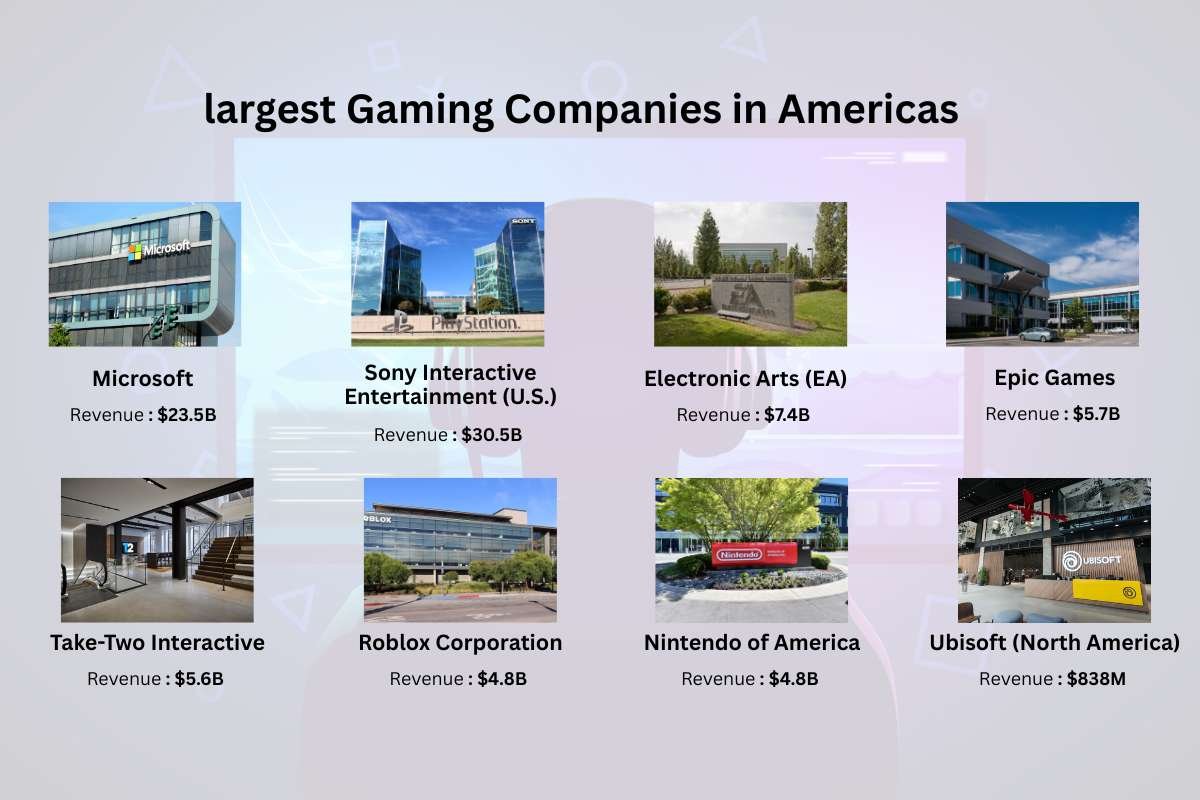

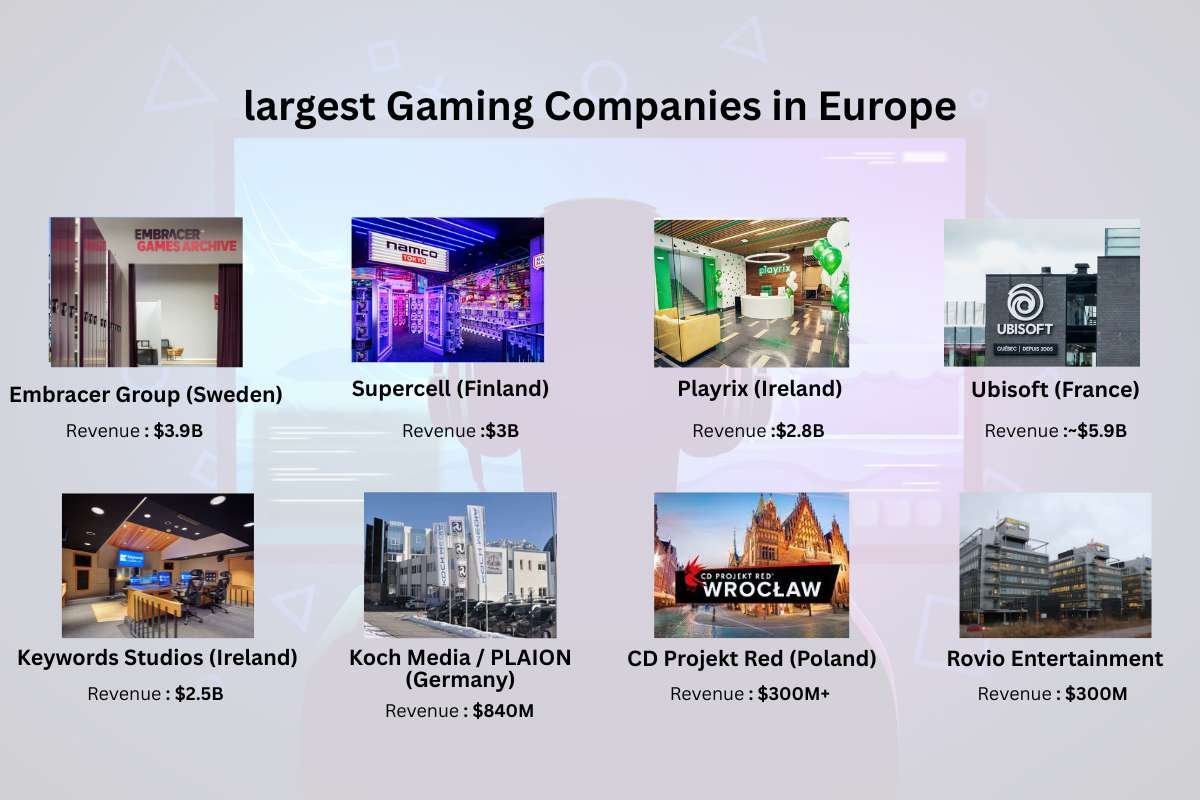
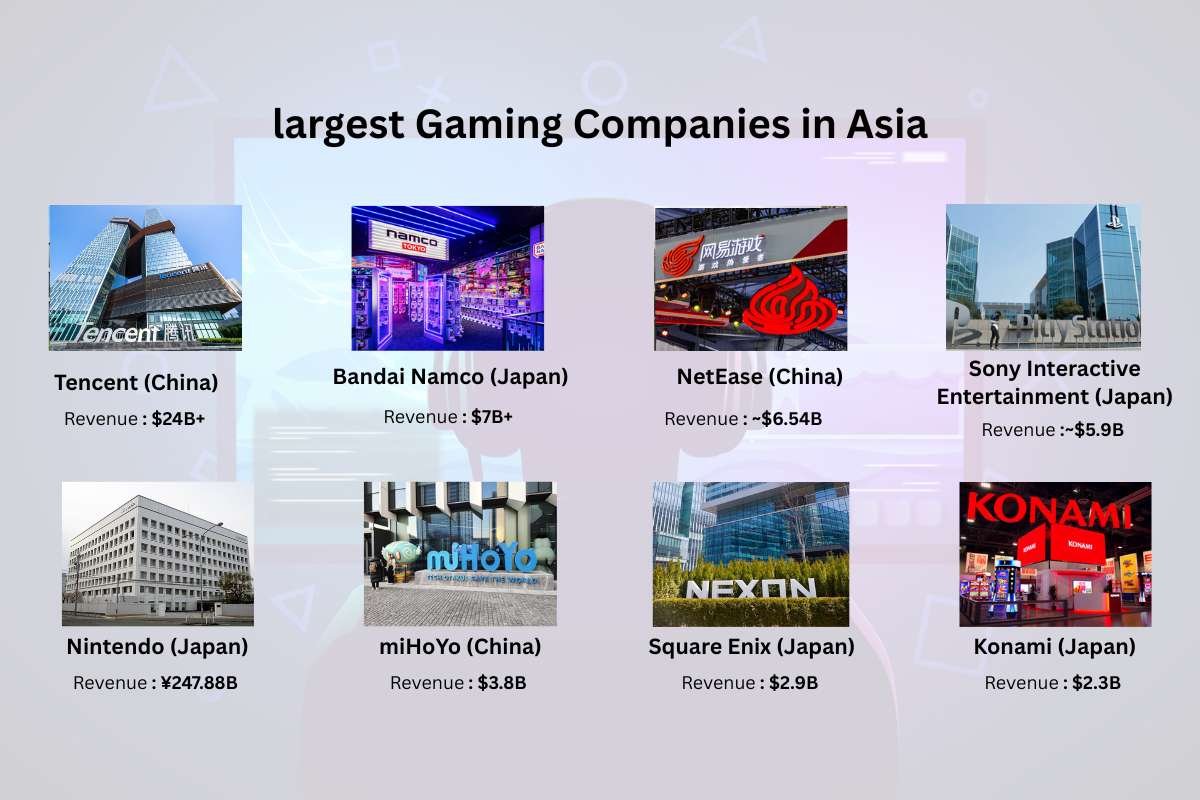
Ranking The 60 Largest Gaming Companies Of 2026 Enterprise Wired 1.11 The Americas . AI Honored As Global Gaming Company Of The Year At The AI E Homenageada Como Empresa Global De Jogos Do Ano No Gaming Awards IGA 2026 . Ranking The 60 Largest Gaming Companies Of 2026 Enterprise Wired 1.33 The Europe . 10 Best Game Development Companies In 2026 Stepico Best Companies 800x450 . Ranking The 60 Largest Gaming Companies Of 2026 Enterprise Wired 1.22 The Asia
#2 Gallery what is a gaming company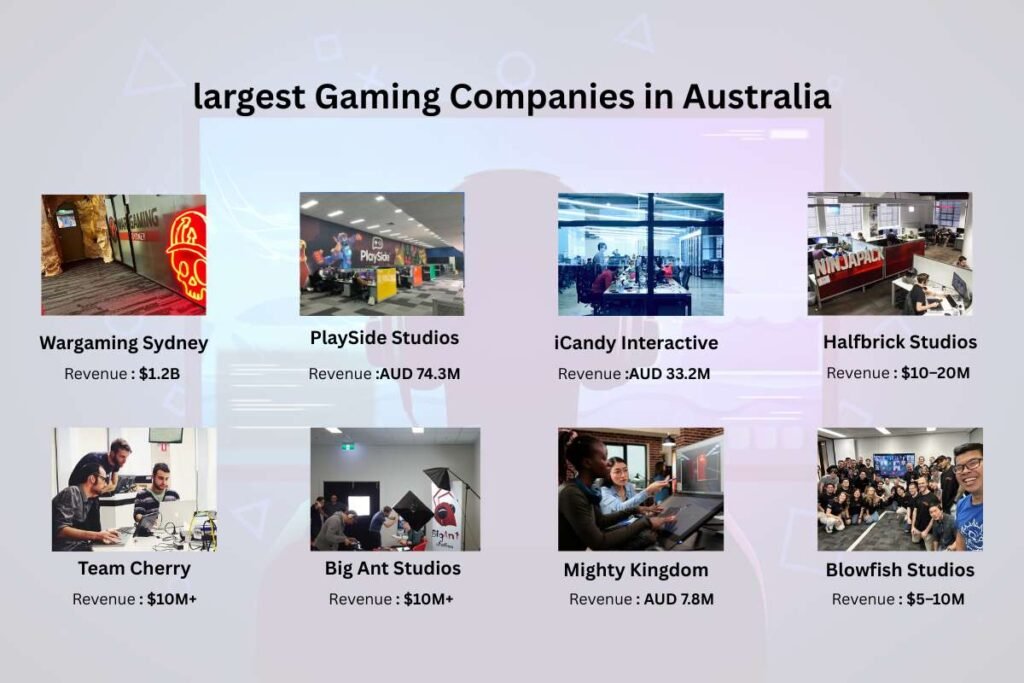


Ranking The 60 Largest Gaming Companies Of 2026 Enterprise Wired 1.44 The Australia 1024x683 . Top 20 Game Development Companies In 2026 NipsApp Top20. Gaming Industry Statistics And Revenue Data 2026 Icon Era Statistics Gaming Industry Revenue Statistics 2026 . Top Game Development Companies In USA 2026 Devoted Studios Top Game Development Companies In USA 2026 Main Banner . Fortnite Revenue Breakdown For 2026 Key Insights Usage Statistics Top Gaming Companies In The UK
#3 Gallery what is a gaming company
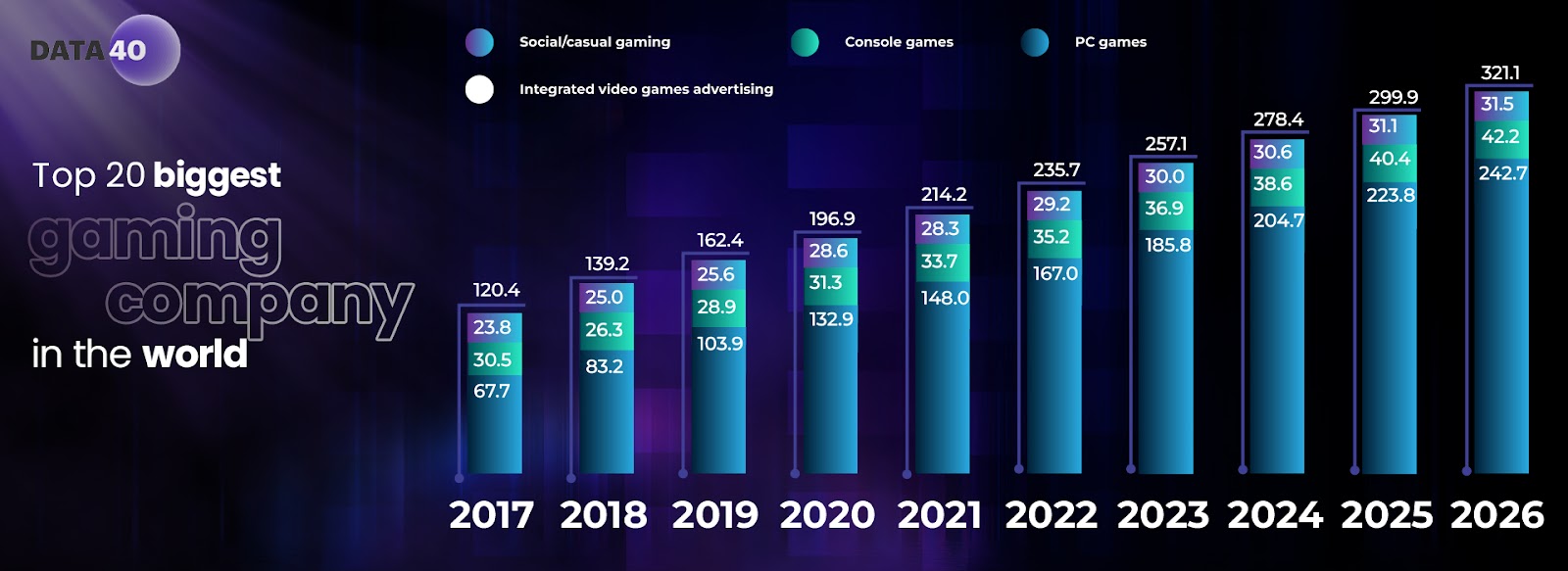

Top 10 Most Anticipated Games Of 2026 What To Watch Out For TVN GAMES IN 2026 . Gaming Industry Trends 2026 Cloud Gaming AI Metaverse Web3 Gaming Trends 2026.webp. Biggest Gaming Companies Of 2024 Top20 Biggest Gaming Company . Game Awards 2026 Game Of The Year 2026 Game Awards Game Of The Year .webp. Most Successful Blockchain Gaming Companies In 2026 Biggest Companies Exploring Blockchain Gaming.webp
#4 Gallery what is a gaming company
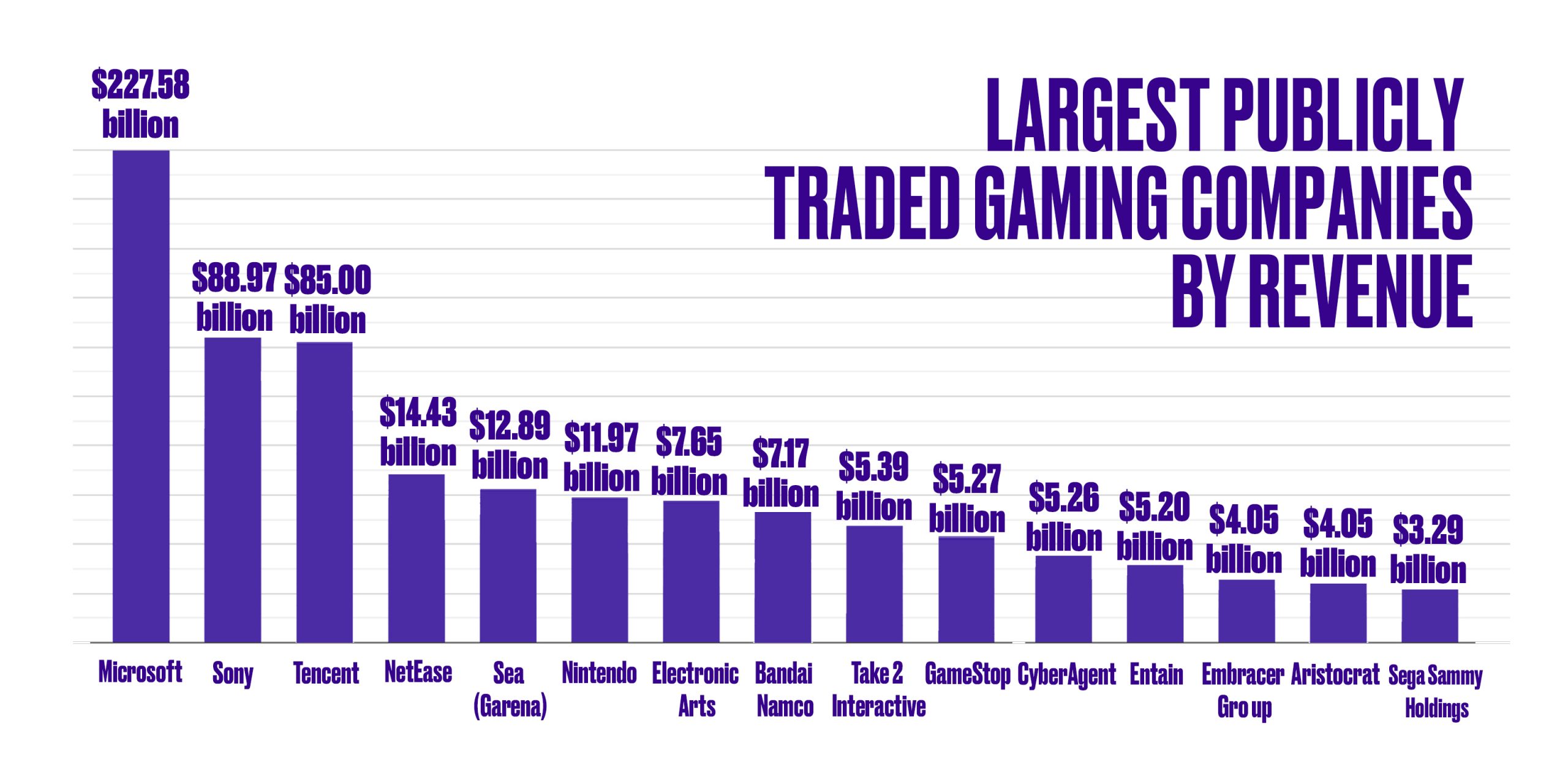
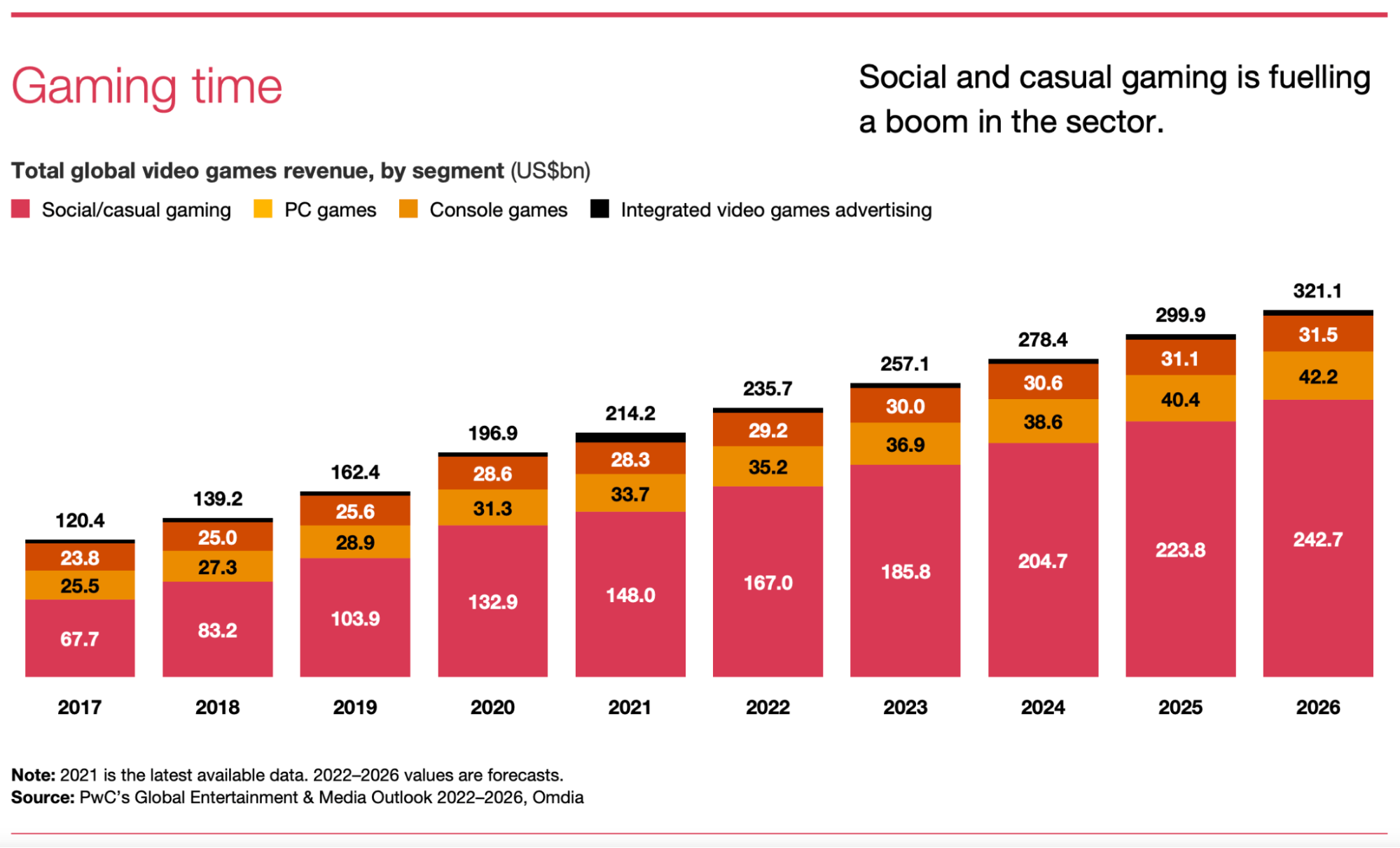
2026 In Gaming Releases What Are We This Year Blogs 2026 Gaming 2 . Video Game Industry Trends In 2026 Beyond Video Game Industry Trends In 2026 And Beyond . 5 Top Gaming Companies Shaping The Industry In 2026 Gaming Companies Dominating The Market.webp. Largest Gaming Companies Ranked By Revenue 2024 Chart Largest Publicly Traded Gaming Companies 1 Scaled . Game Industry Usage And Revenue Statistics 2026 Gaming Revenue
#5 Gallery what is a gaming company

Top Gaming Companies In South Korea 2026 SDLC Corp Top Gaming Companies In South Korea In 2024 . 10 Best Game Development Outsourcing Companies In 2026 Outsourcing Companies 2026 Cover . Top Game Development Companies In Fort Worth USA 2026 SDLC Corp Top Game Development Companies In Fort Worth USA In 2024 1 . Ranking The 60 Largest Gaming Companies Of 2026 A Look At The Engines Ranking The 60 Largest Gaming Companies Of 2026 A Look At The Engines That Run Pop Culture Pdf 15 2048 . 10 Top Game Development Companies 2026 Game Development Company 1
#6 Gallery what is a gaming company


The First Gaming Showcase Of 2026 Has Been Revealed And It S As Soon Large . Ranking The 60 Largest Gaming Companies Of 2026 Enterprise Wired 1 Ranking The 60 Biggest Gaming Companies Of 2026 A Look At The Engines That Run Pop Culture Source Data40.com . The Future Games Show Is Returning In 2026 With 6 New Shows GamesRadar . Game S 2026 Industry Barometer The Mood In The German Games Industry Games Industry Barometer 2026 2 1440x1920 . Sensor Tower State Of Gaming 2026 By Dmitriy Byshonkov 39b39ad9 2df5 405f A9c0 2460x1386
#7 Gallery what is a gaming company

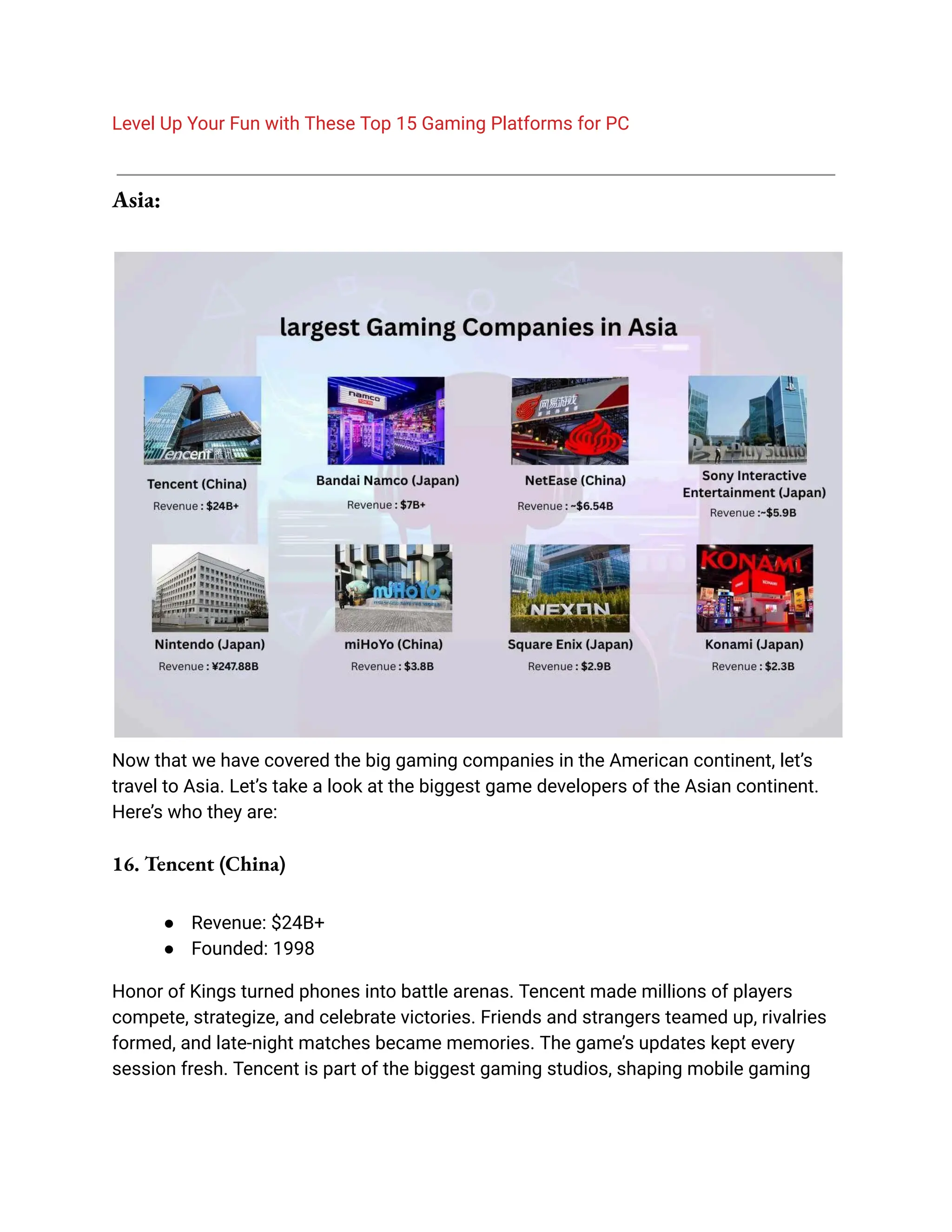
Ranking The 60 Largest Gaming Companies Of 2026 Enterprise Wired 1.Level Up Your Fun With These Top 15 Gaming Platforms For PC Source 768x512 . 20 Most Anticipated Video Games Of 2026 Page 18 1200x675