Navigating the world of gaming and streaming PCs can feel overwhelming, especially when balancing a busy life, work, and family commitments. Many gamers, averaging around 36 years old and often dedicating 10 plus hours a week to their passion, seek a powerful yet reliable machine that delivers both immersive gaming experiences and smooth, high-quality streaming capabilities without breaking the bank or requiring a steep learning curve. This comprehensive guide helps you identify the essential components, understand performance optimization, and make smart buying decisions for a good PC for gaming and streaming. We cut through the hype to provide practical, actionable advice that ensures you get value for money, stay current with 2026 trends, and enjoy your downtime whether you are building skills, socializing online, or simply unwinding with your favorite titles.
Related games- Guide What Channel Is The Baltimore Game Live 2026
- Guide to JRPG Roblox: Top Games & How to Play
- Guide to Roblox Code Unlock Your Game Dev Potential
- How to Rig in Roblox Your Essential Guide
- Guide to Roblox Banana Script Mastering & Safety
What is the ideal CPU for a gaming and streaming PC in 2026?
For a gaming and streaming PC in 2026, you'll want a CPU with a high core and thread count. AMD's Ryzen 7 or Ryzen 9 series (e.g., Ryzen 7 7800X3D or Ryzen 9 7900X) or Intel's Core i7 or i9 series (e.g., Core i7-14700K or Core i9-14900K) are excellent choices. These processors offer the necessary processing power to handle demanding games simultaneously with video encoding for streaming without compromising performance.
How much RAM is truly needed for gaming and streaming simultaneously?
While 16GB of RAM is often considered the minimum for modern gaming, a good PC for gaming and streaming truly benefits from 32GB. This extra capacity ensures smooth multitasking, allowing you to run your game, streaming software (like OBS), web browser, and other background applications without experiencing stuttering or bottlenecks. Look for DDR5 RAM with speeds of 6000MHz or higher for optimal performance.
Which graphics card (GPU) offers the best balance for high-fidelity gaming and streaming?
A powerful GPU is crucial. NVIDIA's RTX 4070 Super, 4080 Super, or AMD's RX 7800 XT, 7900 XT are strong contenders for a good PC for gaming and streaming. These cards provide excellent frame rates in popular titles at 1440p or even 4K, while also offering dedicated encoders (NVENC for NVIDIA, AMF for AMD) that efficiently handle streaming tasks, offloading work from your CPU and maintaining game performance.
Is an SSD essential for a gaming and streaming PC, and what type?
Absolutely, an SSD is essential. For the best performance in a good PC for gaming and streaming, an NVMe SSD (PCIe Gen4 or Gen5) is highly recommended. Install your operating system, games, and streaming software on this drive for lightning-fast boot times and quick loading screens. A secondary, larger SATA SSD or even a traditional HDD can be used for less frequently accessed files or game archives.
What is the recommended internet upload speed for smooth 1080p 60fps streaming?
For smooth 1080p at 60 frames per second streaming, a dedicated upload speed of at least 10-15 Mbps is recommended. While download speeds are important for gaming, upload speed is critical for sending your stream data to platforms like Twitch or YouTube. A wired Ethernet connection is always preferred over Wi-Fi for stability and reliability during live broadcasts.
Do I really need a dedicated capture card for a good gaming and streaming PC?
For single-PC setups where you're gaming and streaming from the same machine, a dedicated capture card is generally not necessary, especially with modern GPUs having efficient hardware encoders (NVENC or AMF). However, if you're streaming from a console, using a two-PC setup to offload the encoding, or aiming for extremely high-bitrate, uncompressed capture, then a capture card becomes beneficial.
How important is PC cooling for a sustained gaming and streaming experience?
Cooling is extremely important for a good PC for gaming and streaming. Both your CPU and GPU generate significant heat under load, and proper cooling prevents thermal throttling, which can degrade performance and shorten component lifespan. Invest in a good air cooler or an All-in-One (AIO) liquid cooler for your CPU and ensure your PC case has excellent airflow with multiple fans. This maintains optimal performance during long gaming and streaming sessions.
Hey fellow gamers! Does this sound familiar? You’re finally settling down after a long day of work or managing family commitments, ready to dive into your favorite game, maybe even share the experience with friends online or stream it for your community. But then, your PC starts chugging. Stutters, dropped frames, fuzzy stream quality – it’s a buzzkill, right? For many of us, especially those around 36 years old who balance gaming with jobs and family, our gaming time is precious. We want relaxation, fun, and perhaps a bit of skill-building or social play, not technical headaches.
The good news is, getting a good PC for gaming and streaming doesn't have to be a mystery. In 2026, with an estimated 87% of US gamers playing regularly, often clocking in 10+ hours a week, the demand for machines that can handle both intense gameplay and high-quality broadcasting is higher than ever. Whether you're a seasoned player looking to upgrade or a newcomer eager to jump into the world of content creation, this guide is designed for you. We’ll cut through the jargon, address common pain points like setup issues and budget worries, and help you build or choose a rig that delivers incredible performance and value. Let's make sure your next gaming and streaming experience is seamless and genuinely enjoyable!
What Makes a PC Good for Both Gaming and Streaming in 2026?
Building or buying a good PC for gaming and streaming means finding a delicate balance. It's not just about raw power for rendering game graphics; it's also about having enough overhead to encode and upload live video without impacting your in-game performance. Think of it as a multi-talented athlete who excels at two demanding sports simultaneously.
At its core, such a PC needs a robust CPU to handle background tasks and video encoding, a powerful GPU to render games at high frame rates, and ample fast RAM for smooth multitasking. Fast storage ensures quick game loads and responsiveness. Beyond the internal components, a stable, high-speed internet connection is non-negotiable for a consistent stream. Modern PCs also prioritize efficient cooling to prevent thermal throttling during long sessions, especially with the increased demands of 2026's graphically intensive titles and streaming software.
What are the Core Components for a High-Performance Gaming and Streaming PC?
Understanding the vital parts of your machine is the first step to securing a good PC for gaming and streaming. Each component plays a specific role, and balancing them correctly ensures optimal performance and value for money.
- Central Processing Unit (CPU): This is the brain of your PC. For gaming and streaming, you need a CPU with a high core count and strong single-core performance. While gaming benefits from high clock speeds, streaming relies heavily on multiple cores for video encoding. AMD's Ryzen 7 or Ryzen 9 series (e.g., Ryzen 7 7800X3D for gaming dominance, or Ryzen 9 7900X/7950X for balanced gaming/streaming) and Intel's Core i7 or i9 series (e.g., Core i7-14700K or Core i9-14900K) are top contenders. Look for models with at least 8 cores and 16 threads.
- Graphics Processing Unit (GPU): The GPU is arguably the most crucial component for gaming performance, and it's increasingly vital for streaming. Modern GPUs, especially from NVIDIA (RTX 40-series) and AMD (RX 7000-series), feature dedicated hardware encoders like NVIDIA's NVENC or AMD's AMF. These encoders offload the video encoding process from your CPU, allowing for higher quality streams with minimal impact on your game's frame rate. For a good PC for gaming and streaming, aim for an RTX 4070 Super, RTX 4080 Super, or an RX 7800 XT / RX 7900 XT or higher, depending on your resolution and target frame rate.
- Random Access Memory (RAM): While 16GB of RAM is often the minimum for serious gaming, 32GB of DDR5 RAM (with speeds around 6000MHz or higher) is highly recommended for simultaneous gaming and streaming. This extra capacity prevents bottlenecks when running your game, streaming software (like OBS or Streamlabs), web browser, Discord, and other applications all at once. It ensures smooth multitasking and a responsive system.
- Storage: Fast storage is critical for quick boot times, rapid game loading, and responsive applications. An NVMe Solid State Drive (SSD), ideally a PCIe Gen4 or Gen5 model, should be your primary drive for your operating system, frequently played games, and streaming software. A 1TB or 2TB NVMe SSD is a great starting point. For less demanding games or general file storage, a secondary SATA SSD or a traditional Hard Disk Drive (HDD) can be added.
- Motherboard: This is the backbone that connects all your components. Ensure your motherboard is compatible with your chosen CPU (socket type), RAM (DDR4 vs. DDR5), and has enough PCIe slots for your GPU and NVMe SSDs. Look for features like robust VRMs (Voltage Regulator Modules) for stable power delivery, ample USB ports for peripherals, and good network connectivity (2.5GbE Ethernet is a plus).
- Power Supply Unit (PSU): Don't skimp on the PSU! A reliable PSU provides stable power to all your components. Calculate your estimated wattage requirements based on your CPU and GPU, then add a buffer (e.g., 100-200W). Aim for an 80 Plus Gold or Platinum certified unit for efficiency and reliability. A 750W to 850W PSU is typically sufficient for a good gaming and streaming PC with a high-end GPU.
- Cooling System: High-performance components generate heat. Effective cooling prevents thermal throttling, which can reduce performance and shorten component lifespan. A good air cooler (like a Noctua NH-D15) or an All-in-One (AIO) liquid cooler (240mm or 360mm) is essential for your CPU. Ensure your PC case has excellent airflow with multiple well-placed fans.
How Much Should I Budget for a Gaming and Streaming PC in 2026?
Budgeting for a good PC for gaming and streaming in 2026 depends heavily on your desired performance, resolution, and stream quality. However, we can break it down into tiers for busy gamers looking for guidance:
- Entry-Level / Budget-Friendly (~$1000 - $1400): At this price point, you can build a capable 1080p gaming and streaming PC. Expect a Ryzen 5 or Intel Core i5 CPU, an RTX 4060 or RX 7600/7700 XT GPU, 16GB-32GB DDR4/DDR5 RAM, and a 1TB NVMe SSD. This will comfortably handle popular F2P titles and social games like Valorant or Fortnite while providing decent 720p/1080p 30-60fps streaming quality, especially using hardware encoders. This is a great starting point for those balancing hobbies with financial responsibilities.
- Mid-Range / Best Value (~$1500 - $2200): This is the sweet spot for many gamers who want a solid 1440p gaming experience and reliable 1080p 60fps streaming. Look for a Ryzen 7 or Intel Core i7 CPU, an RTX 4070 Super or RX 7800 XT/7900 XT GPU, 32GB DDR5 RAM, and a 1-2TB NVMe SSD. This tier offers excellent performance for most AAA titles, esports, and provides more headroom for higher-quality streams, making it a good PC for gaming and streaming that offers longevity.
- High-End / Enthusiast (~$2500+): For those seeking uncompromising 1440p high-refresh-rate or 4K gaming, alongside pristine 1440p/4K streaming, this is your territory. Expect a Ryzen 9 or Intel Core i9 CPU, an RTX 4080 Super or RTX 4090 GPU, 32GB-64GB DDR5 RAM, and multiple high-capacity NVMe SSDs. This build offers the ultimate performance, ensuring future-proofing and the ability to stream any game at maximum settings. While a significant investment, it delivers an unparalleled experience for serious content creators and competitive players.
Remember, these are estimates. Prices fluctuate based on sales, regional availability, and specific component choices. Always check current market prices before making a decision.
CPU vs. GPU: Which is More Important for Streaming?
This is a common question, and the answer, especially in 2026, is that both are critical, but the GPU often plays a more direct role in streaming quality and performance impact now.
Historically, streaming was heavily CPU-bound. Software encoders like x264 used your CPU to compress video, demanding multiple cores and threads. However, modern GPUs have revolutionized this. NVIDIA's NVENC (on RTX cards) and AMD's AMF (on RX cards) are dedicated hardware encoders built right into the GPU. These encoders are incredibly efficient, delivering excellent stream quality with minimal performance impact on your game's frame rate. This means your GPU can render the game and encode the stream simultaneously, largely independently.
So, while your CPU still handles game logic, background applications (Discord, web browsers), and overall system responsiveness, a powerful GPU with a capable hardware encoder is arguably *more* important for achieving high-quality, smooth streams without sacrificing in-game frame rates. If you have to prioritize for a good PC for gaming and streaming, ensure you have a modern GPU with a strong encoder.
What Internet Speed Do I Need for Smooth Gaming and Streaming?
Your internet connection is the invisible backbone of your streaming setup. For gaming, low latency (ping) is crucial, while for streaming, upload speed is king. Many providers advertise high download speeds, but upload speeds are often much lower. Here’s what you should aim for:
- Download Speed: For smooth gaming and downloading games, 50-100 Mbps is generally sufficient. If you’re downloading large game updates or playing bandwidth-intensive online games while others use the network, more is always better.
- Upload Speed: This is where streamers need to pay close attention.
- 720p 30fps streaming: At least 3-5 Mbps upload.
- 1080p 30fps streaming: At least 5-8 Mbps upload.
- 1080p 60fps streaming (recommended for most): At least 10-15 Mbps upload.
- 1440p 60fps streaming: At least 15-25 Mbps upload.
A wired Ethernet connection is strongly recommended over Wi-Fi for streaming. It provides a more stable, consistent connection with lower latency, preventing dropped frames or stuttering streams that can frustrate both you and your viewers. Consider upgrading your internet plan if your upload speeds don't meet these recommendations, as it's a critical component for a truly good PC for gaming and streaming.
How Do I Balance My Gaming PC Build with My Busy Lifestyle?
This is a major pain point for many adult gamers who balance gaming with jobs, families, and life responsibilities. The key is smart choices and realistic expectations:
- Time Investment: If your gaming time is limited, opt for a reliable pre-built system or a custom build from a reputable system integrator. While building yourself offers satisfaction and potentially cost savings, it demands time for research and assembly. A pre-built can get you gaming and streaming faster, letting you maximize those precious few hours.
- Budget Constraints: Prioritize components that offer the best "bang for your buck." As discussed in the budget section, a mid-range build often provides the best balance of performance and cost. Don't feel pressured by hype around the absolute top-tier hardware; great experiences can be had on more modest systems. Look for sales, especially during major shopping events.
- Future-Proofing vs. Current Needs: Rather than chasing absolute "future-proof" (which is nearly impossible), focus on hardware that will comfortably handle your current and near-future gaming and streaming goals for the next 3-4 years. You can always upgrade individual components later, like adding more RAM or a newer GPU, as your budget and needs evolve. This flexible approach helps manage finances.
- Space and Aesthetics: Consider the size of the PC case and its integration into your home environment. A smaller form factor PC might be more appealing if space is limited. Quiet cooling solutions are also a blessing for shared living spaces.
- Game Choices: If you mostly play less demanding social or cozy games, or older titles, you might not need the absolute latest and greatest GPU. This frees up budget for quality-of-life improvements like a good microphone, webcam, or a comfortable gaming chair for those limited but valuable gaming sessions.
Remember, a good PC for gaming and streaming is one that fits *your* life, not just the benchmarks. Focus on what brings you relaxation and enjoyment.
Are Prebuilt Gaming PCs Worth It for Streaming?
The debate between prebuilt vs. custom-built PCs is ongoing. For many busy adult gamers, prebuilt systems offer a compelling proposition when seeking a good PC for gaming and streaming:
Pros of Prebuilt PCs:
- Convenience and Time-Saving: They are ready to go out of the box, saving you the time and effort of researching components, assembling, and troubleshooting. This is a huge win for those with limited free time.
- Warranty and Support: Prebuilts typically come with a single warranty covering the entire system, simplifying support if issues arise. You don't have to diagnose which component is failing.
- Potentially Better Value (Sometimes): During component shortages or specific sales, prebuilts can sometimes offer better value than buying individual parts, especially if they include high-demand GPUs.
- Professional Assembly: Reputable builders ensure clean cable management and proper component installation, which can be daunting for first-time builders.
Cons of Prebuilt PCs:
- Limited Customization: You have fewer choices over specific component brands or models.
- "Bloatware": Some prebuilts come with pre-installed unnecessary software that can take up storage and resources.
- Potential for Lower Quality Components: Builders might use cheaper power supplies, motherboards, or RAM to save costs, which could impact performance or longevity. Always check component specifics where possible.
- Price Markup: Generally, you pay a premium for the convenience and assembly service.
For a good PC for gaming and streaming, if you value time and simplicity, a well-researched prebuilt from a reputable brand (like Origin PC, Falcon Northwest, CyberPowerPC, iBuyPower, or even major brands like Alienware/HP Omen if on sale) can be an excellent choice. Always read reviews focusing on component quality, cooling, and customer service.
What are Common Performance Issues and How Can I Fix Them While Streaming?
Even with a good PC for gaming and streaming, you might encounter hiccups. Here are common issues and quick fixes:
- Dropped Frames/Stuttering (In-Game or Stream):
- Cause: CPU/GPU overload, insufficient RAM, network instability.
- Fix:
- Lower in-game graphics settings.
- Ensure GPU hardware encoder (NVENC/AMF) is enabled in OBS/Streamlabs.
- Close unnecessary background applications.
- Check Task Manager for CPU/GPU usage spikes.
- Update graphics drivers.
- Use a wired Ethernet connection.
- Poor Stream Quality (Pixelation/Blurriness):
- Cause: Insufficient upload bitrate, incorrect encoder settings, network issues.
- Fix:
- Increase your stream bitrate in OBS/Streamlabs (within your upload speed limits).
- Ensure you're using a modern hardware encoder (NVENC/AMF).
- Verify your internet upload speed is consistent.
- Check OBS logs for encoding warnings.
- Overheating Components:
- Cause: Inadequate cooling, dusty fans, poor airflow.
- Fix:
- Clean dust from fans and heatsinks.
- Ensure proper case fan orientation (intake/exhaust).
- Consider upgrading your CPU cooler or adding more case fans.
- Monitor temperatures with software like HWMonitor.
- Cause: Encoder lag, inconsistent frame rates, incorrect audio buffering.
- Fix:
- Check audio buffering settings in OBS.
- Ensure consistent frame rates in-game and on stream.
- Update audio drivers.
- Consider using VSync if screen tearing occurs, but be mindful of input lag.
Troubleshooting is part of the PC gaming journey. Don't be afraid to experiment with settings and seek advice from online communities.
How Can I Keep My Gaming and Streaming PC Up-to-Date on a Budget?
Staying current without constantly buying new hardware is a common challenge for gamers. Here’s how to maximize your good PC for gaming and streaming's lifespan and performance on a budget:
- Strategic Upgrades: Instead of a full system overhaul, target specific bottlenecks.
- GPU: Often the biggest impact on gaming performance. Upgrading your GPU will usually yield the most noticeable boost.
- RAM: If you're still on 16GB, bumping to 32GB can significantly improve multitasking and stream stability.
- Storage: Adding a larger, faster NVMe SSD is a relatively affordable upgrade that makes your entire system feel snappier.
- Monitor Driver Updates: This is free and crucial! Regularly update your GPU drivers (NVIDIA GeForce Experience, AMD Adrenalin), motherboard chipset drivers, and Windows. Developers constantly optimize for new games and improve performance.
- Software Optimization:
- Keep your operating system lean. Uninstall unused programs, disable unnecessary startup applications, and regularly defragment (HDDs) or trim (SSDs) your drives.
- Optimize in-game settings. Often, a slight reduction in a few visual settings (e.g., shadows, anti-aliasing) can yield significant frame rate improvements with minimal visual impact, especially when streaming.
- Stream software settings: Fine-tune your OBS or Streamlabs settings. Experiment with different encoders (NVENC/AMF vs. x264 if your CPU is powerful enough) and quality presets.
- Physical Maintenance: Regular cleaning is vital. Dust buildup insulates components, leading to higher temperatures and reduced performance. Clean your fans and heatsinks every 3-6 months. Ensure good cable management for optimal airflow.
- Leverage Free-to-Play and Social Games: Not every game requires a beastly rig. Many popular free-to-play titles and cozy games (a growing trend in 2026!) are less demanding, allowing you to enjoy and stream quality content without constant hardware upgrades.
By being strategic and diligent, you can ensure your good PC for gaming and streaming remains a powerful and enjoyable machine for years.
What Peripherals Enhance the Gaming and Streaming Experience?
A good PC for gaming and streaming isn't just about the tower; the peripherals complete the experience. These enhance your comfort, performance, and stream quality:
- High-Refresh-Rate Monitor: A 144Hz or 240Hz monitor with a fast response time (1ms) makes a huge difference in competitive gaming, providing a smoother, more responsive visual experience. Look for G-Sync or FreeSync compatibility to eliminate screen tearing.
- Comfortable Gaming Chair and Desk: For adults who spend hours gaming and streaming, ergonomics are paramount. Invest in a comfortable, supportive chair and a spacious desk that promotes good posture. This helps prevent fatigue and discomfort during long sessions.
- Quality Headset: A good gaming headset with clear audio and a reliable microphone is essential for in-game communication and interacting with your stream chat. Look for comfort, sound quality, and microphone clarity.
- Dedicated Microphone: While headsets often have mics, a dedicated USB or XLR microphone (e.g., Blue Yeti, HyperX QuadCast, Shure MV7) significantly improves your stream's audio quality, making your voice sound clearer and more professional. This is a key upgrade for content creators.
- Webcam: A good 1080p 60fps webcam (e.g., Logitech C920 series, Razer Kiyo) is crucial for showing your face on stream and engaging with your audience. Good lighting (e.g., ring light) will further enhance your video quality.
- Gaming Keyboard and Mouse: Responsive mechanical keyboards and precise gaming mice with customizable DPI settings can give you an edge in competitive games. Choose what feels comfortable and responsive to you.
- Stream Deck / Macro Pad: For streamers, a Stream Deck (Elgato) or similar macro pad allows for quick, one-button control over scene changes, audio adjustments, chat commands, and more, making your stream smoother and more professional.
These peripherals transform a merely functional setup into a truly immersive and professional good PC for gaming and streaming environment.
Choosing and optimizing a good PC for gaming and streaming in 2026 can seem daunting, but by focusing on smart component choices, understanding your budget, and prioritizing quality-of-life improvements, you can build a system that perfectly suits your busy lifestyle. Remember, the goal is not just raw power, but a balanced, reliable machine that provides seamless gaming and high-quality streaming for your entertainment and content creation.
Whether you're unwinding after work, connecting with friends in Discord, or sharing your latest adventure with your audience, your PC should be a source of joy, not frustration. Invest wisely, maintain diligently, and enjoy the incredible world of modern PC gaming and streaming. What's your biggest gaming or streaming challenge right now? Comment below!
FAQ: Quick Answers for Your Gaming & Streaming PC
Q: Is 16GB RAM enough for gaming and streaming in 2026?
A: While 16GB can technically work, 32GB of fast DDR5 RAM is highly recommended for a good PC for gaming and streaming in 2026. It ensures smoother multitasking, preventing stutters when running demanding games alongside streaming software and other applications.
Q: Should I prioritize CPU or GPU for a streaming PC?
A: In 2026, with modern hardware encoders like NVIDIA's NVENC or AMD's AMF, the GPU is often more crucial for streaming without impacting game performance. However, a strong multi-core CPU is still vital for overall system responsiveness and handling game logic.
Q: Can I stream with a budget gaming PC?
A: Yes, you absolutely can! A budget gaming PC (e.g., $1000-$1400) can handle 1080p 30fps or even 60fps streaming for many popular games, especially by utilizing your GPU's hardware encoder. You might need to adjust in-game settings for optimal performance.
Q: What's the best storage for gaming and streaming?
A: An NVMe SSD (PCIe Gen4 or Gen5) is the best choice for your operating system, games, and streaming software, offering incredibly fast loading times. A larger secondary SSD or HDD can complement it for additional storage.
Q: How often should I update my PC drivers for streaming?
A: It's best practice to check for GPU and motherboard chipset driver updates at least once a month, or whenever a major new game is released. Regular updates ensure optimal performance, bug fixes, and compatibility, which is crucial for a good PC for gaming and streaming.
Q: What's the most common mistake new streamers make with their PC setup?
A: A very common mistake is underestimating the importance of a stable internet upload speed and using Wi-Fi instead of a wired Ethernet connection. Inconsistent upload can severely degrade stream quality, leading to pixelation and dropped frames.
Powerful CPU for multitasking and encoding, high-performance GPU for gaming and rendering, sufficient fast RAM (32GB recommended), speedy NVMe SSD for quick loading, effective cooling system, stable high-speed internet connection, reliable power supply, and an ergonomic setup for long sessions.
35

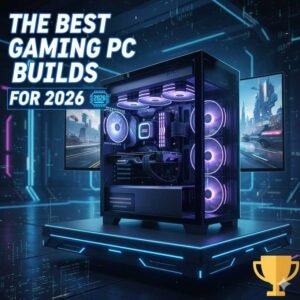


9 Best Computers For Gaming And Streaming 2026 Computer For Gaming And Streaming . Best Gaming Streaming PC In 2026 High FPS Gaming PC Guru Best Gaming Pc On Amazon Featured 800x500 . The Best Gaming PC Builds For 2026 Top Picks And Reviews Best Pc Build 300x300 . Best Gaming Streaming PC In 2026 High FPS Gaming PC Guru Best Gaming Pc For Under 500 Dollars Featured 800x500 . The Best Gaming Desktops 2026 Top 10 Gaming Desktops Buy Now Guide

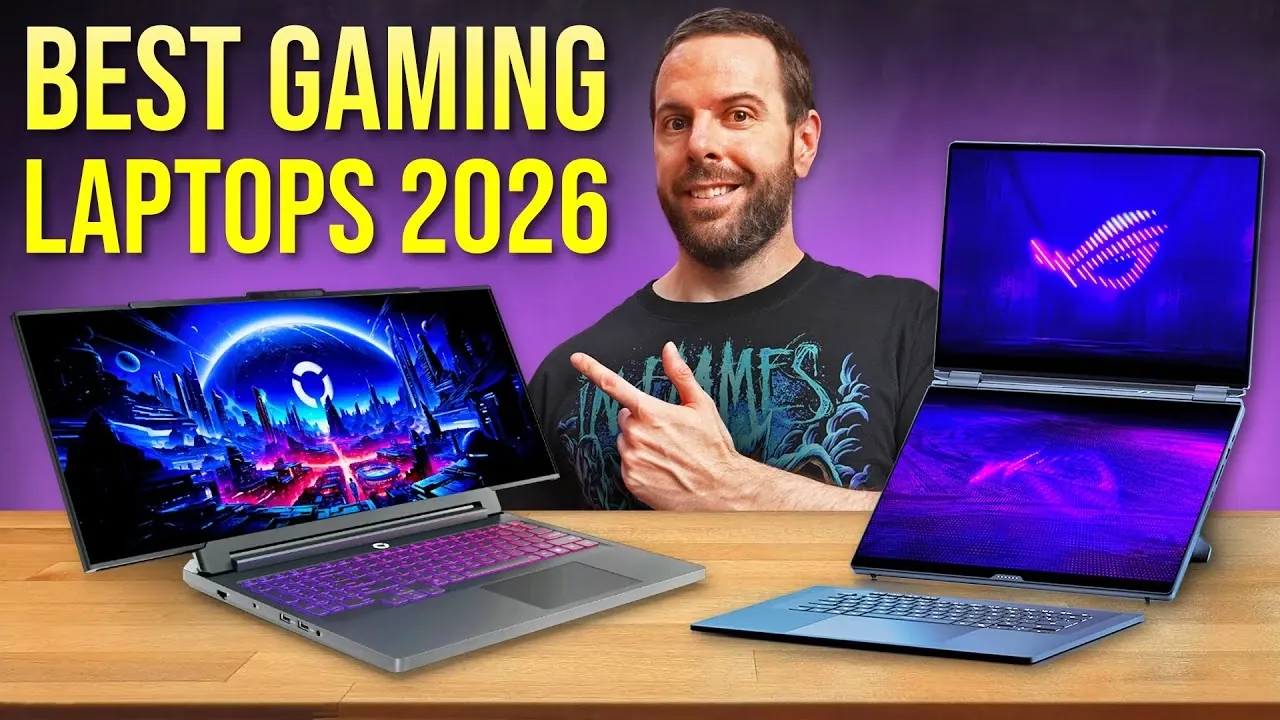


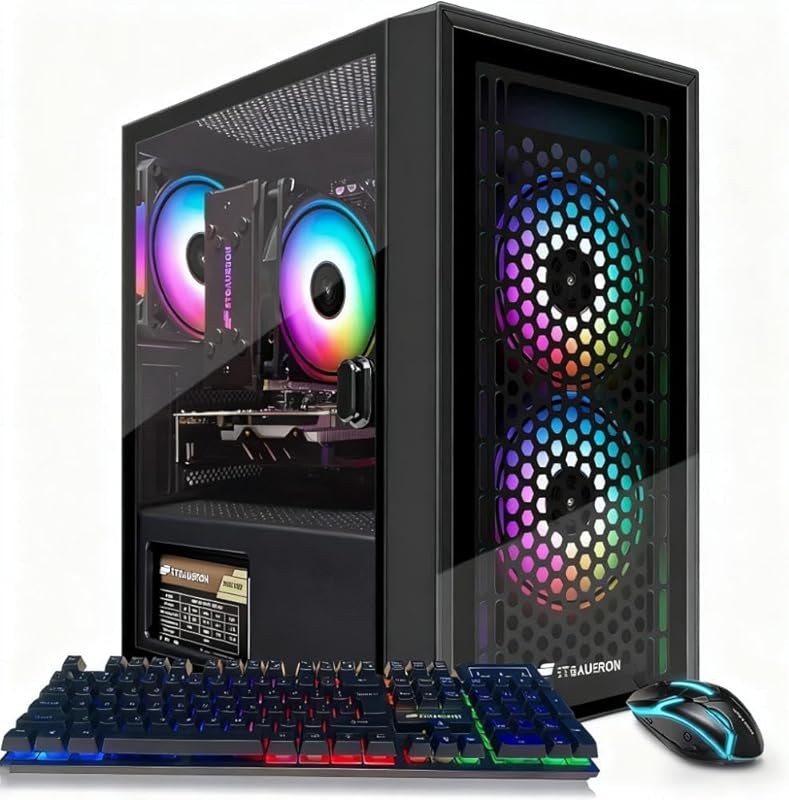
Best Gaming PC Builds For 2026 Best Gaming PC Builds For 2026.webp. Best Gaming Laptops At CES 2026 RTX 5090 Options Dual Screen Picks Lenovo Legion Pro Rollable Concept. Best Gaming Streaming PC In 2026 High FPS Gaming PC Guru Best Gaming Pc Already Built Featured 800x500 . 7 Best Gaming PCs Of 2026 Power Performance And Value Revealed Top Gaming Pcs 2026 1lmv2 . Top 10 Best Processor For Gaming PC For 2026 Expert Picks Techzaru Product B0G1ZDN8NC


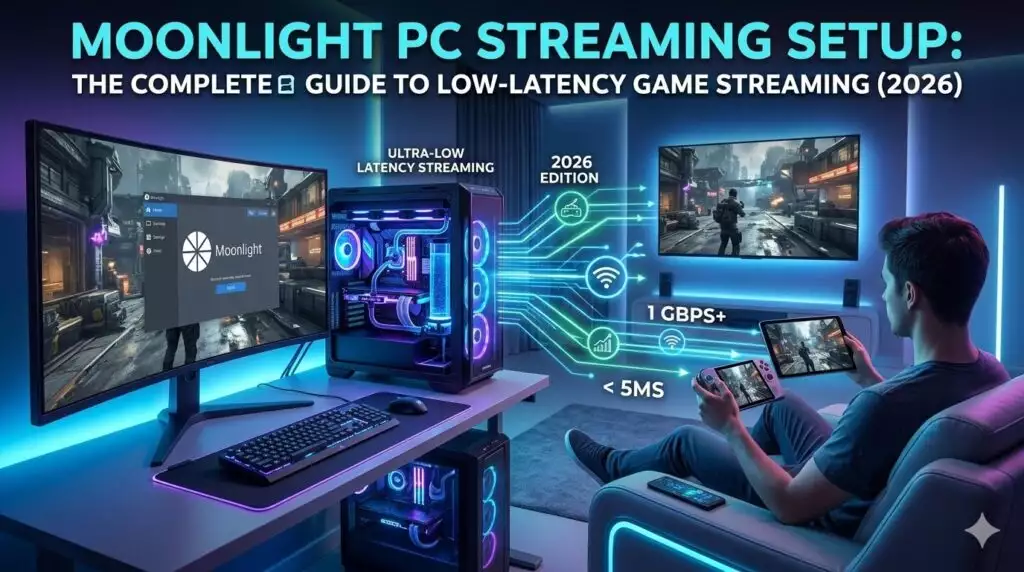


Best Mini Gaming PC 2026 Top Small Form Factor PCs Tested Gamers Best Gaming Pc . The 6 Best Prebuilt PCs For Gaming Streaming Of 2026 Home Office World Corsair Vengeance I7200 Streaming Review 1024x576 . Moonlight PC Streaming Setup The Complete Guide To Low Latency Game Moonlight PC Streaming Setup The Complete Guide To Low Latency Game Streaming 2026 1024x572 . Top 5 Best Gaming Desktops Of 2026 Best Product Review Best Gaming Desktops . 5 Best PCs For Streaming And Gaming 2026 Tested Reviewed



Best Gaming Computers In 2026 9meters Hpaq Kbcyhk 1536x1059 . Best PC Builds For Gaming 2026 Ultimate Guide To Building Your Dream Best PC Builds For Gaming 2026 1024x683 . Best Gaming Streaming PC In 2026 High FPS Gaming PC Guru What Is The Best Budget Gaming Pc Featured 800x500 . 12 Best Gaming PCs For Streaming June 2026 Buying Guide Reviews B0GDR7D761 Customer 1 768x576 . Summer 2026 PC Best Buy Guide Prebuilt Power For Streamers SoftBit System Edit Compressed
The Ultimate Gaming PC Build 2026 Guide By Xidax 1 Unnamed . Best 4K Gaming Monitors In 2026 The Ultra Hi Res Panels I Highly . 12 Best Gaming PCs For Streaming June 2026 Buying Guide Reviews B0DCMH6T7X Customer 1 1024x768 . R15 000 Gaming PC Guide 2026 R15 000 Gaming Pc Sa 2026 Banner.webp. Best RTX 5090 Prebuilt Gaming 2026 Our Top Picks For High End Gaming Best RTX 5080 Prebuilt Gaming Pc
12 Best Gaming PCs For Streaming June 2026 Buying Guide Reviews B0DWHN5R8W Customer 1 1024x768 . 12 Best Gaming Laptops For Streaming June 2026 Tested B0CXV9CTM8 Customer 1 1 1536x1152 . 12 Best Gaming PCs For Streaming June 2026 Buying Guide Reviews B0FH5HZMZP Customer 2 768x1024 . Summer 2026 PC Best Buy Guide Prebuilt Power For Streamers SoftBit . 12 Best Gaming PCs For Streaming June 2026 Buying Guide Reviews B0FH5HZMZP Customer 1 768x1024


12 Best Gaming PCs For Streaming June 2026 Buying Guide Reviews B0DTHQH6X5 Customer 2 956x2048 . Best Gaming PC For Competitive Gaming 2026 Hardware Guide The Best Gaming PC For Competitive Gaming 2026 Performance Guide.webp. 12 Best Gaming PCs For Streaming June 2026 Buying Guide Reviews B0G2RDTD1Y Customer 1 768x578 . 12 Best Gaming PCs For Streaming June 2026 Buying Guide Reviews B0DWHN5R8W Customer 2 969x2048 . The 5 Best Gaming PC Cases 2026 Which One Should You Buy YouTube